There’s been a big hue and cry about the consequences of the Environment Impact Assessment (EIA) Notification 2020 recently. Activists have rallied against the draft, arguing that it undoes a lot of the previous draft’s positive points and encourages environmental violations. Here’s everything to know about this contentious draft.
India set up its first EIA norms in 1994, which worked to regulate activities that access, utilise, and pollute natural resources.
All development projects since then have to comply with these norms and go through the process. This was modified in the year 2006.
This year, the government redrafted the notification yet again, claiming it was a means to make the EIA process more transparent and expedient. However, activists have gone to court arguing that the new draft achieves the opposite,
They claim it encourages environment violations in case of large-scale irrigation projects.
Activists have termed the new draft non-transparent, undemocratic, unjust and unaccountable.
Reports on projects’ potentially damaging impact on the environment are frequently shoddy and consultant agencies that prepare those reports for a fee are highly unreliable. There is also not enough administrative capacity to ensure compliance, leading to clearance conditions being left unchecked. Additionally, there are periodic amendments exempting one category of industries or the other from scrutiny.
The draft essentially increases the government’s discretionary power while curtailing public feedback regarding environmental safety.
The removal of these conditions means that projects could be proposed dangerously close to eco-sensitive zones. Hydro-electric projects lesser than 25MW will not need an EIA, which means that large projects proposed in the Himalayan region or in the western ghats may be split on paper into smaller ones of 25MW, thus bypassing environmental scrutiny.
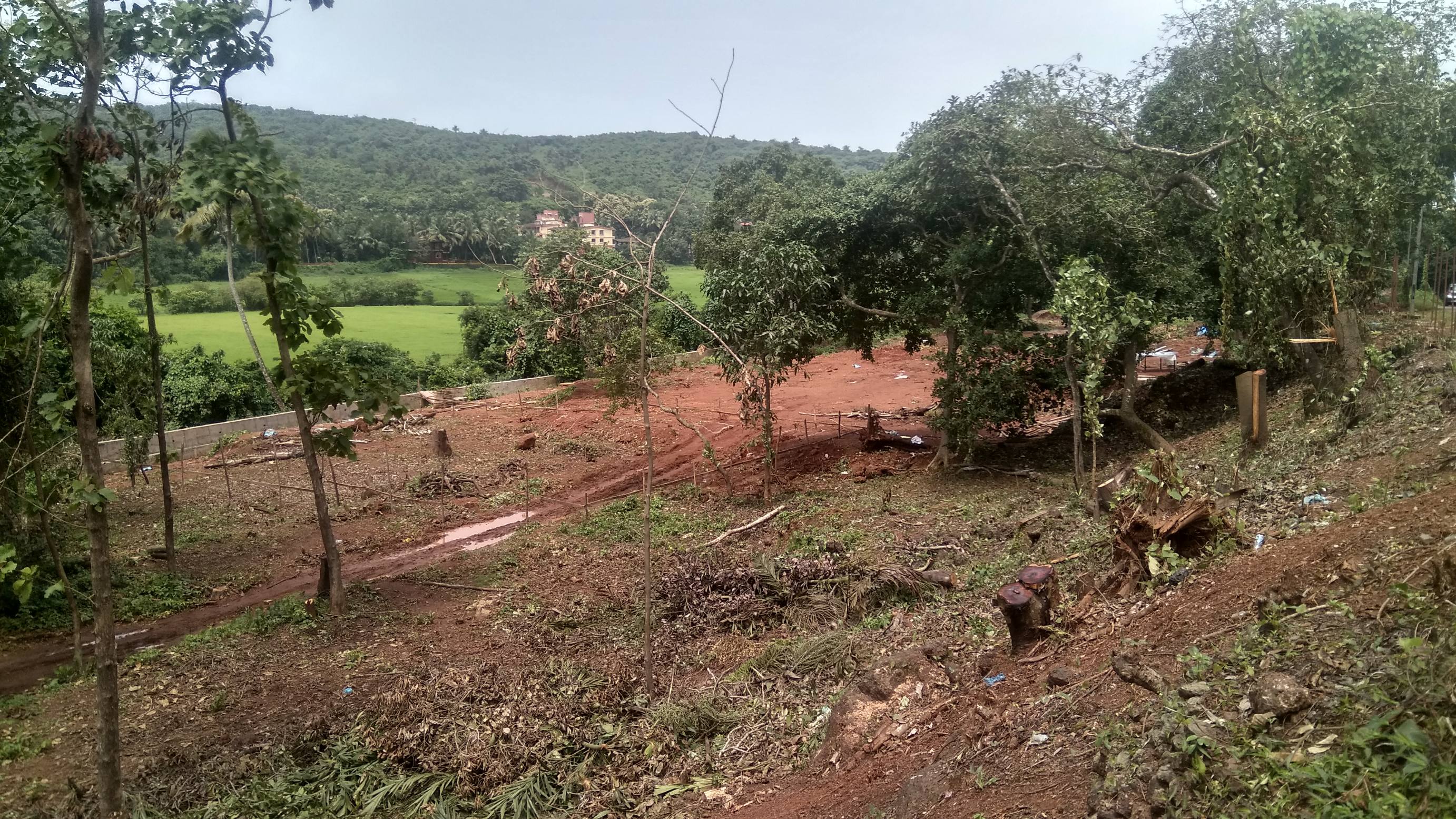
All inland waterways projects and expansion/widening of national highways, including roads that cut through forests and dredging of major rivers, will be exempt from prior clearance.
There is also no scope for any public complaint about violations in the new draft. The violators themselves will have to disclose that they broke the law, which is ridiculous and self defeating.
The Delhi High Court has now extended the deadline for public feedback on the draft Environment Impact Assessment till August 11. Considering the unchecked plundering of natural resources in our country, it is crucial that complaints against this draft are heard.