How 90s Bollywood Music Accidentally Raised Our Emotional IQ Before Therapy Apps Did
4 min read
Authored By
JAJayant Singh
@jayant
Grind behind scenes, drop Tum Hi Ho, become generational icon!
Once a wild YouTube comment said, “Mummy ke taane aur Arijit Singh ke gaane, seedha dil pe lagte hain.” And chat, it still reigns true!
There are singers. There are superstars. And then there’s Arijit Singh, the man who somehow turned trauma and heartbreak into India’s biggest music genre. At this point, listening to Arijit Singh is less of a music preference and more of a personality trait. If you’ve ever stared dramatically outside a cab window while “Channa Mereya” played in your earphones like you were the lead in your own Karan Johar film, congratulations: you are exactly the target audience.
Because somewhere between Orkut breakups, Facebook heartbreak quotes, late-night WhatsApp last-seen stalking, and “bhai she said take care” memes, Arijit Singh became the emotional support of an entire generation.
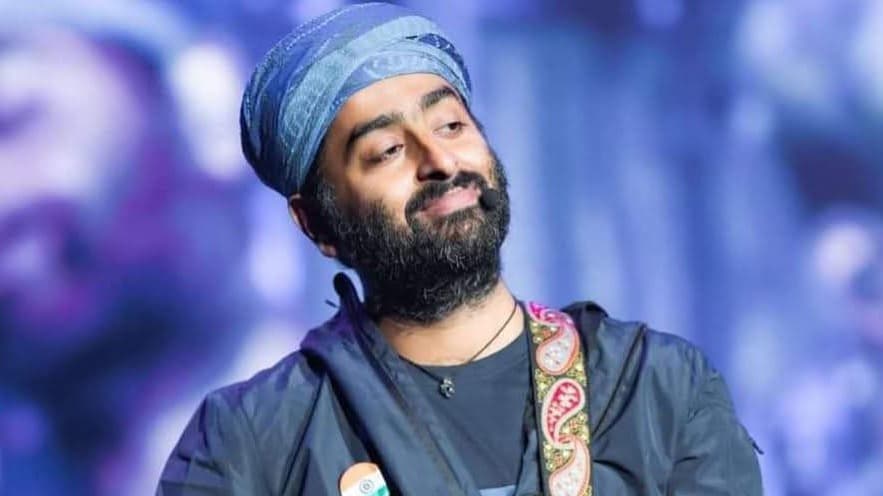
He was born in Jiaganj, a small town in West Bengal, into a musically inclined family where classical music was a huge part of life. Long before he became the voice of urban heartbreak, he was training in Indian classical music, tabla, and Rabindra Sangeet like the academically gifted music kid nobody notices until they suddenly top the entire country. Then came Fame Gurukul in 2005.
Now here’s the funny part: Arijit didn’t even win. Haarke jeetne waale ko baazigar kehte hain. (AKA Arijit Singh).
Imagine eliminating Arijit Singh from a singing competition! That’s like rejecting Shah Rukh Khan from a romance movie because he makes you blush too much. But back then, he was shy, awkward, reserved, and didn’t have the flashy reality-show personality audiences were used to. He looked less like a future superstar and more like the introvert senior who destroys everyone at the college cultural fest and then disappears before photos are taken. But failure ended up becoming part of his mythology!
Because years later, India collectively realized the contestant who lost a reality show had somehow become the biggest singer in the country.
What makes Arijit’s rise genuinely fascinating is that he didn’t instantly become famous after television. In fact, he spent years doing invisible industry work. He worked as a music programmer, arranger, and assistant composer for people like Pritam, Vishal-Shekhar, and Shankar-Ehsaan-Loy.
Basically, while everyone else was chasing fame, Arijit was learning how music actually worked behind the scenes.
And honestly, you can hear that technical understanding in his songs even today. His music feels engineered to emotionally destroy you at exactly the right second. The soft beginning. The rising chorus. The final emotional explosion. Man knows how to build pain like Christopher Nolan builds suspense.
Before the world knew him, music lovers had already started noticing tracks like “Raabta,” “Phir Mohabbat,” “Duaa,” and “Phir Le Aya Dil.” These songs didn’t make him a superstar overnight, but they built a loyal audience that kept asking the same question: “Who IS this guy?” Because his voice felt different.
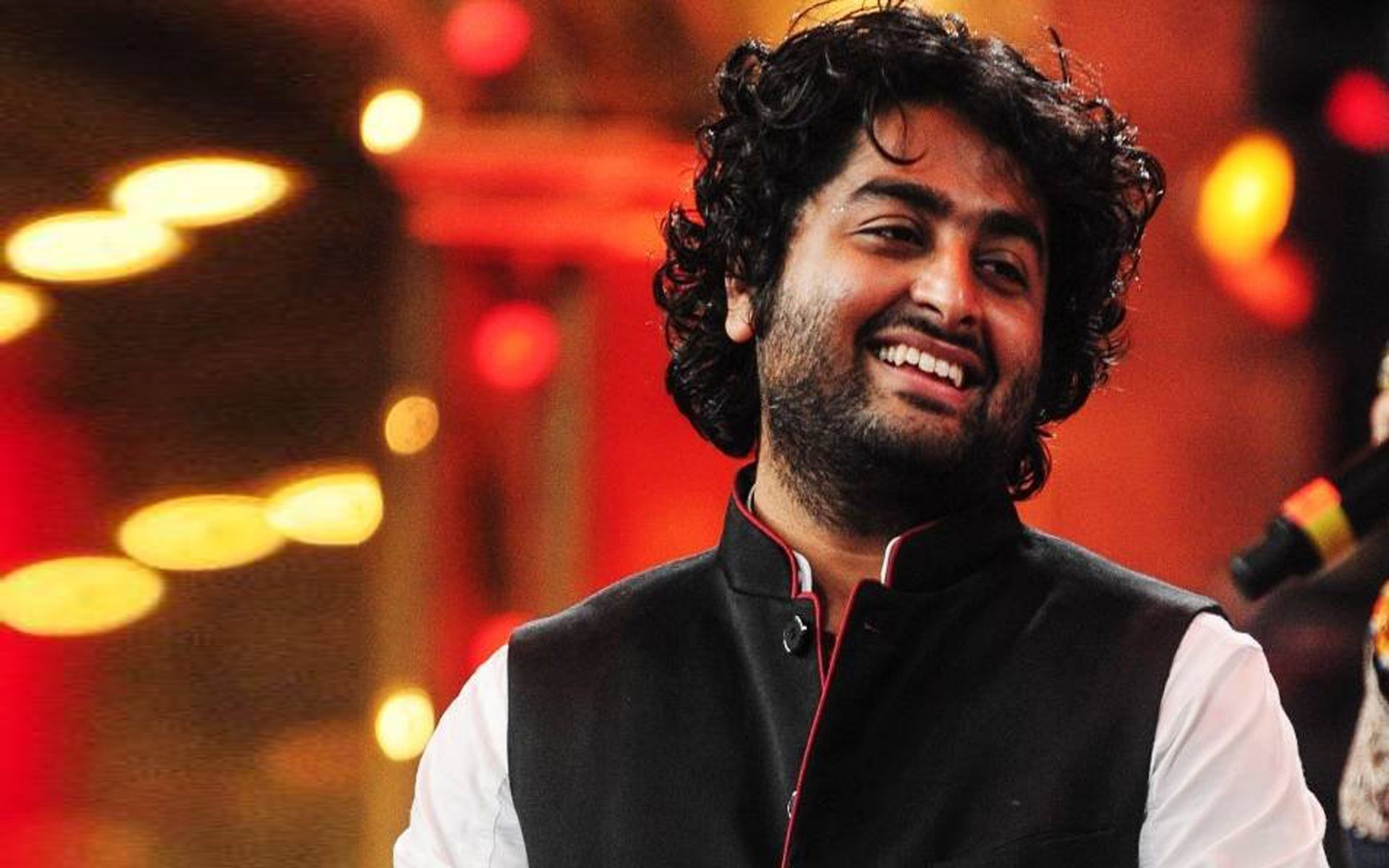
In 2013, Aashiqui 2 released, and suddenly India had a new national emotion. “Tum Hi Ho” wasn’t just a hit song, it was like an epidemic. And the thing is, the song arrived at the perfect time!
Urban Indian youth were becoming more emotionally expressive online. Social media had made heartbreak public. People were posting sad Shayari on Facebook like they were starring in their own Imtiaz Ali film. Long-distance relationships were exploding. Soft-boy sadness was becoming mainstream. And then Arijit Singh entered with a voice that sounded exactly like emotional exhaustion.
Previous Bollywood singers often sounded larger than life. Arijit sounded like the voice inside your head at 2 AM. That’s why people connected so deeply.
After Tum Hi Ho, Bollywood basically entered its Arijit era. Suddenly every major actor wanted his voice.
Ranbir Kapoor heartbreak scene? Call Arijit.
Shah Rukh Khan romantic montage? Call Arijit.
Kartik Aaryan emotional breakdown? Definitely call Arijit.
At one point, Bollywood music genuinely started sounding like one extended Arijit Singh playlist. And to be fair, the man delivered every single time. “Channa Mereya” became the official anthem of one-sided lovers. “Khairiyat” felt like therapy in audio form. “Kesariya” dominated weddings and reels so aggressively that escaping it became physically impossible. “Tujhe Kitna Chahne Lage” practically turned heartbreak into cardio music.
Even his happy songs somehow contain emotional pain. That’s his superpower!

What truly made Arijit a generational icon was internet culture. His songs became memes, coping mechanisms, personality indicators, and emotional templates all at once. Entire playlists started revolving around “late-night Arijit vibes.” Sad reels became incomplete without slowed-and-reverb
Here’s the real reason Arijit Singh survived beyond trends; his music fits modern loneliness perfectly. Gen Z grew up online but emotionally overwhelmed. Everyone is constantly connected and somehow still exhausted. Relationships are confusing. Situationships are worse. Nostalgia hits harder than ever. People romanticize sadness while simultaneously making memes about it.
And Arijit’s music lives exactly in that emotional space. His songs understand yearning. That’s Arijit Singh for you!