The Rise Of Arijit Singh: How One Voice Became The Emotional Support Animal Of An Entire Generation
4 min read
Authored By
JAJayant Singh
@jayant
Therapists no, Pehla Nasha only
The 90s didn’t just give India good music. It gave us emotional education disguised as cassette tapes! Voila.
Before people said things like “communicate your needs” and “I’m emotionally drained,” Bollywood songs had already explained every human emotion possible.
And frankly chat, most of us learned emotional intelligence from Bollywood long before school ever taught us anything useful beyond photosynthesis. Here’s how 90s songs accidentally turned an entire generation into emotionally self-aware drama queens.
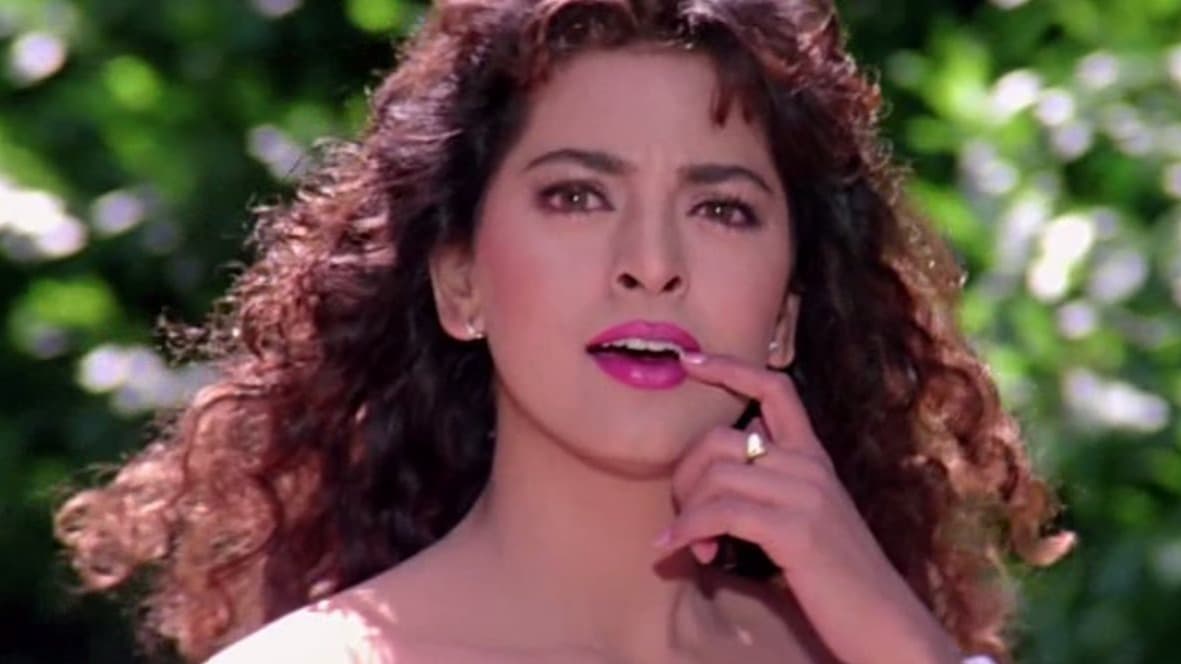
Pehla Nasha was basically India’s first lesson in emotional confusion. “Udta hi phiroon in hawaaon mein kahin…”
Sir is literally floating. This song perfectly explained that your first crush makes you act like a sleep-deprived pigeon. Suddenly even school corridors feel love-coded. Gen Z calls it “delulu.” Bollywood called it love.
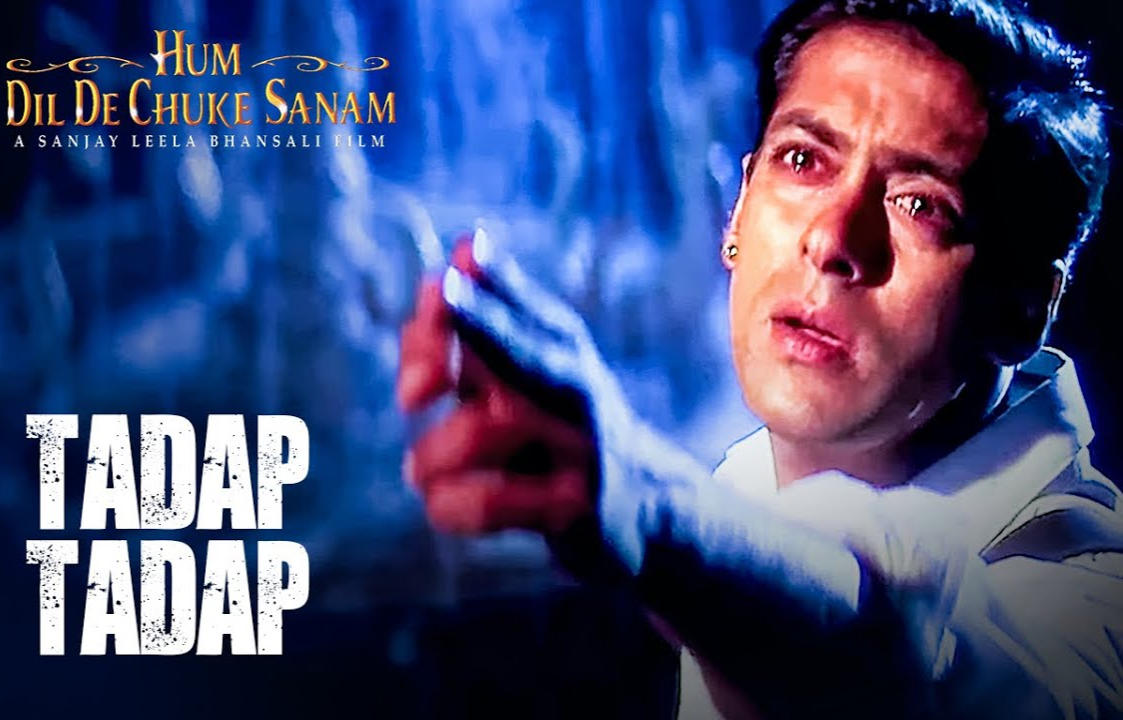
Tadap Tadap Ke said heartbreak should look physically painful. “Tadap tadap ke is dil se aah nikalti rahi…”
That man wasn’t sad. He was spiritually suffering and yes..buffering. 90s Bollywood never believed in acting chill after a breakup. You were expected to: cry dramatically, stare into fire, grow stubble instantly, and sing like rent was due emotionally.
Meanwhile today people post: “healing era <3”
Coward behaviour!
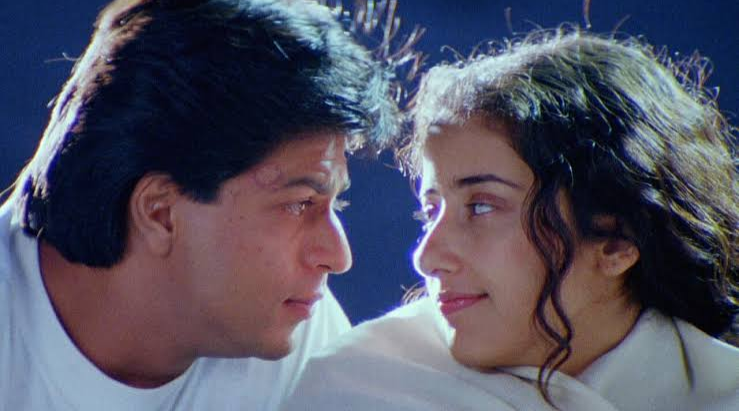
Jaadu Teri Nazar really said: “Tu hai meri Kiran…”
every 11 seconds with terrifying commitment. This song accidentally taught India that intense eye contact and stalking could be romantic if Shah Rukh Khan did it in a leather jacket. 90s Bollywood emotional intelligence had some bugs, okay.
Chaiyya Chaiyya proved that when emotions get too strong, normal transportation is no longer enough.
“Jinke sar ho ishq ki chaaon…”
Nobody understood the lyrics fully at age 8 but spiritually we knew: love should feel intense, poetic, sweaty, and dangerous. Also this song taught an entire generation that Shah Rukh Khan cannot process emotions sitting normally in one place.
Do Dil Mil Rahe Hain was basically:
“How To Fall In Love In A Conservative Household 101.”
“Magar chupke chupke…”
Indian kids didn’t need dating apps. We had Bollywood teaching us stealth mode romance before Instagram close friends existed. This song raised a generation that still thinks eye contact across crowded weddings means destiny.
Ek Ladki Ko Dekha Toh Aisa Laga compared one girl to:
poetry
moonlight
music
dreams
basically every beautiful thing available in nature
“Jaise khilta gulaab…”
Today men react to love with: “bro she’s fineee.”
Anil Kapoor’s generation wrote thesis papers.
Ae Ajnabi captured the exact feeling of missing someone.
“Tu hai kahan, main yahan…”
Honestly long-distance relationships in the 90s required military-level emotional strength.
Papa Kehte Hain was every confused Indian teenager’s anthem.
“Magar yeh toh koi na jaane…”
Translation:
Parents have plans. Society has expectations. But internally?
This song walked so Gen Z career burnout tweets could run.
Tip Tip Barsa Pani ensured no Indian person can experience rain normally ever again.
“Aag lagi dil mein toh…”
90s Bollywood truly believed every emotion needed:
rain
wind
wet sarees
maximum dehydration
Humko Humise Chura Lo basically said healthy emotional boundaries are optional.
“Dil mein kahin tum chhupa lo…”
The message was simple:
if you love someone, become emotionally inseparable and coordinate sweaters immediately. Therapists today are still cleaning up the damage.
Sandese Aate Hain could make entire households emotional within seven seconds.
“Tum bin yeh ghar soona soona hai…”
That song understood homesickness before people started using words like emotional vulnerability.
Tujhe Dekha Toh Yeh Jaana Sanam taught us that true love requires:
Punjab
wind machines
intense staring
“Ab yahan se kahan jaayein hum…”
Entire generations watched this and decided:
“Yes. This is the emotional standard.”
Toodlesss