
We Ranked India’s Top Café Cities And Mumbai Is Definitely Going To Fight Us For This
6 min read
Authored By
JAJayant Singh
@jayant
No Netflix scroll, only Sunday cable TV!
There are movies you watch once on Netflix while scrolling through your phone every seven minutes. And then there are the early 2000s Bollywood films, the ones that practically raised an entire generation of Indian kids before social media arrived and destroyed our attention spans.
These movies weren’t just films yaar, they were events, they were our entire Sundays. They played on cable TV every second Sunday, their songs blasted from every wedding DJ system, and their dialogues became school corridor language. This was peak Bollywood melodrama era! Emotions were overt and how, outfits shinier, families richer for no reason, and somehow every problem could be solved with one emotional monologue and a sad violin track.
If you grew up in India during that phase, these films shaped your humour, your idea of friendship, your definition of romance, and honestly, your entire personality. So here’s the definitive ranking of the Bollywood films that truly defined growing up in India in the early 2000s.
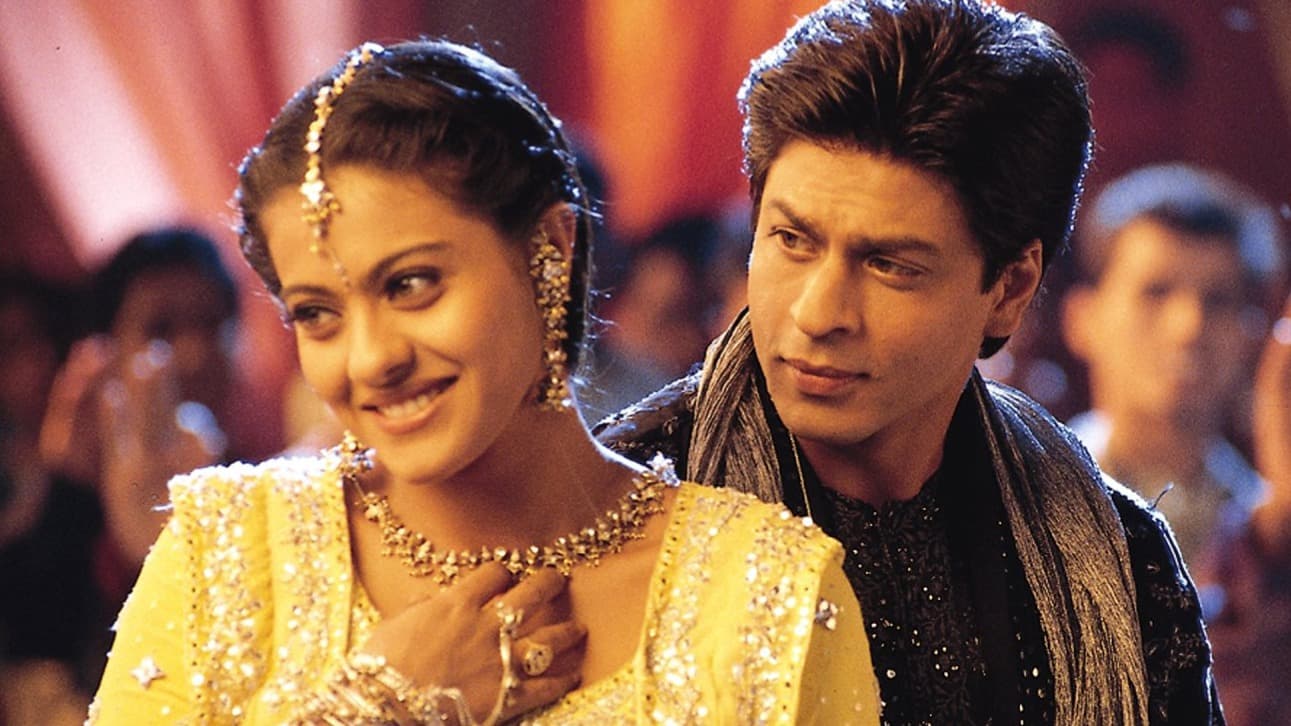
There’s no other film that captures Indian childhood nostalgia quite like Kabhi Khushi Kabhie Gham. This movie genuinely felt like the Avengers of Bollywood before crossover universes became a thing.
The plot itself was peak emotions. Rahul, the adopted son of a rich business family, falls in love with Anjali, a loud and lovable girl from Chandni Chowk. But his father Yashvardhan Raichand disapproves because apparently Bollywood parents in the early 2000s treated love marriages like national security threats. Rahul leaves home with Anjali, moves to London, and years later, his younger brother Rohan secretly reunites the family.
Simple enough, except Karan Johar turned this basic emotional setup into a three-hour luxury fashion show filled with tears, helicopters, chandeliers, and iconic dialogues. And somehow every single character became unforgettable. Poo basically invented the “main character energy” aesthetic years before Instagram influencers existed. “Kaun hai yeh jisne dobara mudke mujhe nahi dekha?” still lives rent-free in Indian pop culture.
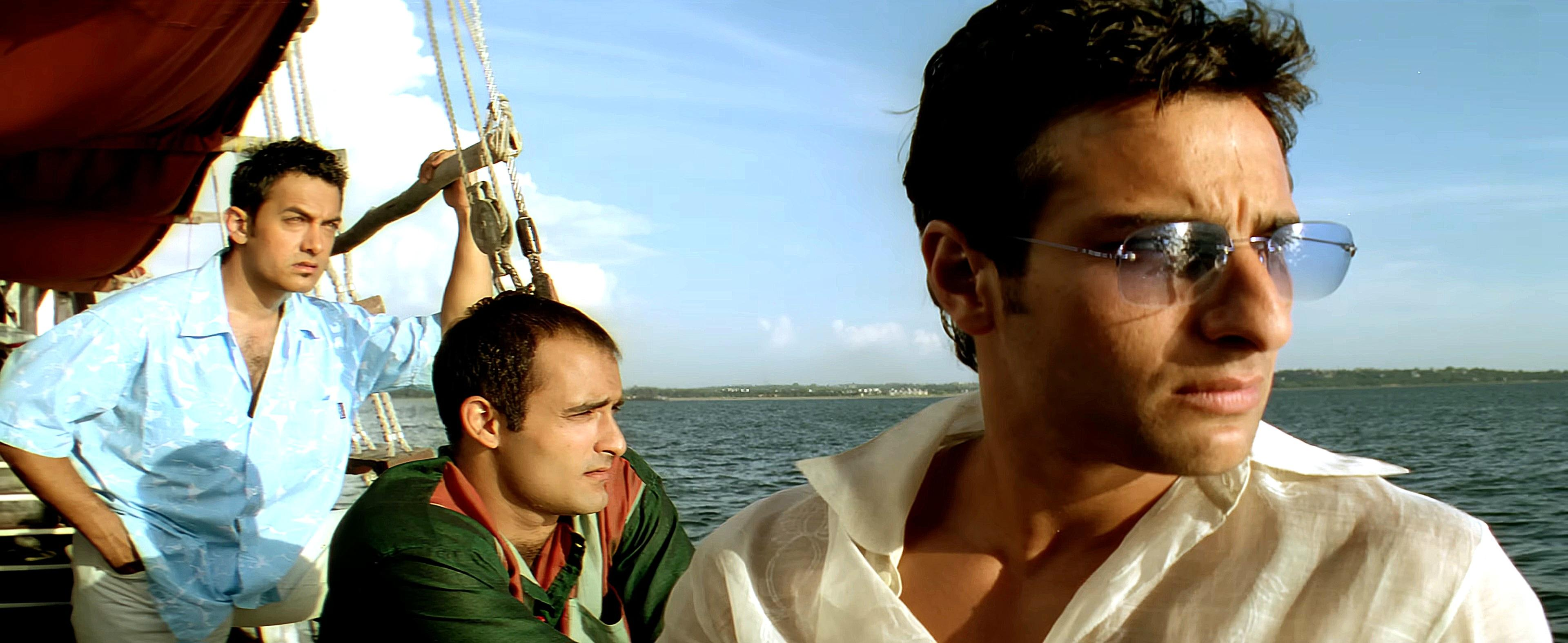
Before Dil Chahta Hai, Bollywood friendships were usually dramatic sacrifice-fests where someone inevitably died. Then Farhan Akhtar arrived and suddenly friendships became chill, funny, awkward, and real. The movie follows three best friends, Akash, Sameer, and Sid, navigating adulthood, relationships, heartbreak, and emotional growth after college. Akash is commitment-phobic and sarcastic, Sameer keeps falling into insane relationships, and Sid is the quiet artist who falls for an older woman.
What made this film revolutionary was how natural it felt! The conversations sounded real. The characters dressed like actual urban Indian youth instead of backup dancers in Switzerland. Even the Goa trip became legendary. Half of India’s bachelor trip culture probably exists because this movie convinced everyone friendship wasn’t complete without one dramatic Goa vacation.
Also, this film gave Indian millennials a permanent habit of assigning personalities within friend groups. Every trio still has “the Akash,” “the Sameer,” and “the Sid.”
Nobody warned us this movie would emotionally destroy us! At first glance, Kal Ho Naa Ho looks like a fun NRI rom-com set in New York. Naina is a serious and emotionally guarded girl dealing with family problems. Then Aman enters her life like human sunshine. He helps her reconnect with happiness, pushes her toward love, and transforms her family dynamic.
And then Bollywood pulls the emotional UNO reverse card.
Turns out Aman is terminally ill and spends the entire film helping Naina fall in love with someone else because he knows he won’t survive long enough to be with her. Absolutely evil storytelling, but yeah, legendary cinema.
This movie worked because it balanced humour and heartbreak perfectly. One second you’re laughing at Kantaben misunderstanding everything, the next second Shah Rukh Khan is giving emotional life lessons while Sonu Nigam destroys your soul in the background.
Also, let’s be honest here, every Indian family function between 2003 and 2007 played “Maahi Ve” at least fourteen times.
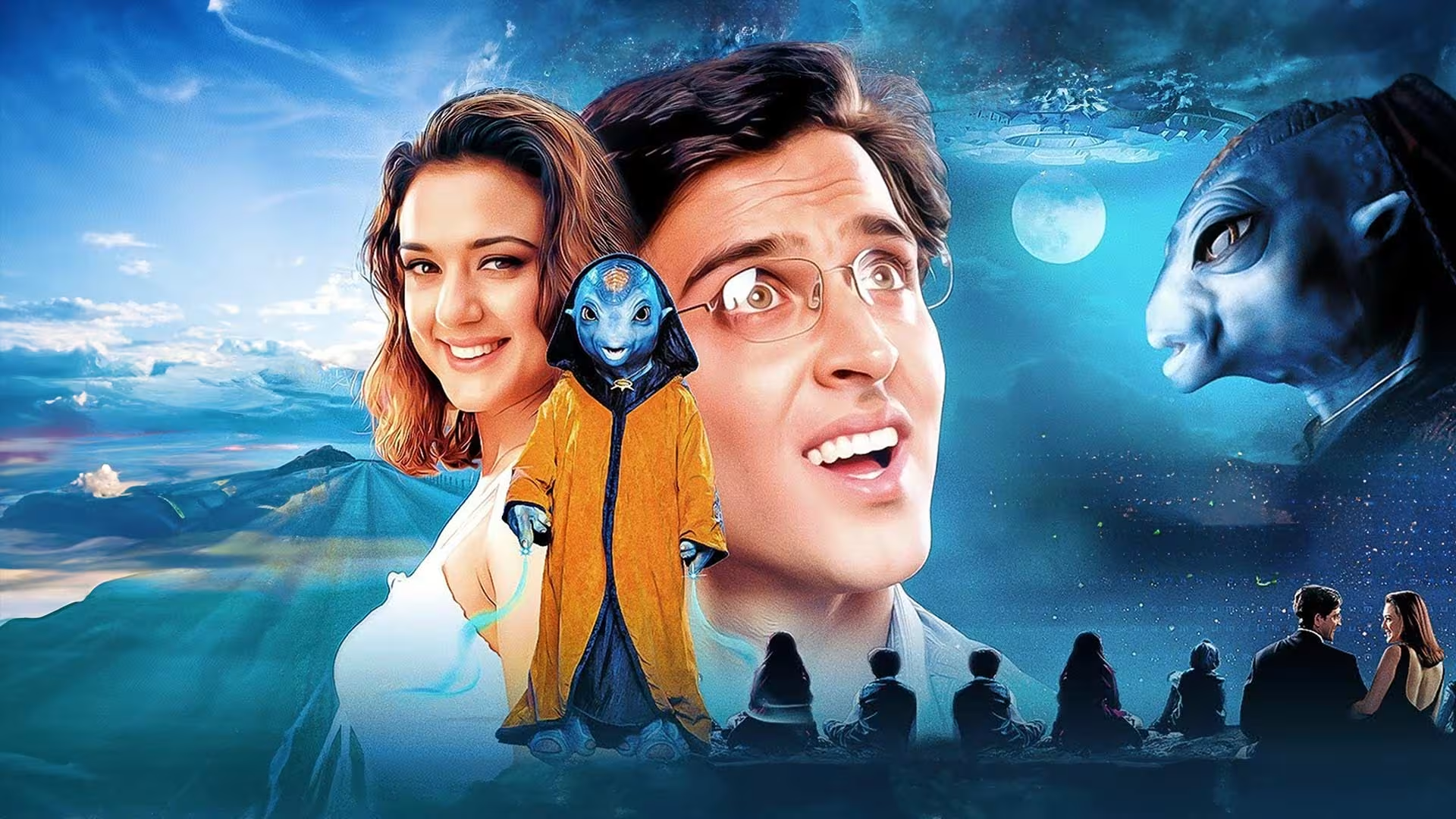
Before Marvel superheroes took over childhoods, India had Rohit and Jaadoo. Koi… Mil Gaya follows Rohit, a developmentally delayed young man who accidentally contacts an alien after using his late scientist father’s computer system. Soon, a friendly alien named Jaadoo arrives on Earth and changes Rohit’s life completely, giving him confidence, intelligence, and physical abilities.
This movie was magical because it mixed innocence with fantasy in a way Bollywood rarely attempted back then. Kids loved Jaadoo instantly. The glowing eyes, the funny sounds, the friendship, it felt emotional and exciting.
And Hrithik Roshan’s performance genuinely connected with audiences because Rohit felt vulnerable and lovable rather than exaggerated. Also, every child after watching this movie tried making weird hand signals toward the sky hoping aliens would arrive in their colony.
The movie follows a British filmmaker who casts a group of carefree Delhi college students in a documentary about Indian freedom fighters. Initially disconnected from politics and activism, the group slowly begins drawing parallels between colonial injustice and modern corruption after personal tragedy strikes.
What made Rang De Basanti unforgettable was how deeply it connected with young Indians. For many teenagers growing up in the 2000s, this was the first movie that made politics feel emotional and personal rather than boring textbook material.
It also perfectly captured college life before adulthood hits like a truck. The jokes, hostel energy, aimless conversations, bike rides, and insane friendships all felt painfully real. And honestly, no soundtrack has carried patriotic heartbreak quite like this one.
There are iconic Bollywood duos, and then there’s Munna and Circuit. The film follows Munna, a lovable Mumbai gangster who pretends to be a doctor to fulfil his father’s dream. After being humiliated by a strict medical dean, Munna joins medical college to prove himself.
The genius of this movie was its heart. Beneath all the comedy, it was really about kindness, empathy, and emotional healing. Munna treated patients like human beings instead of case files, which made audiences instantly connect with him.
Also, “Jaadu ki jhappi” became a genuine cultural phenomenon. Indians literally started solving emotional problems through hugs because of this film.
These movies weren’t trying to become viral content. They just wanted to make you laugh, cry, dance, and feel everything at maximum intensity. And that’s why they still hit differently today. Because somewhere between cable TV reruns, pirated VCDs, and overly dramatic Shah Rukh Khan speeches, these films became part of growing up in India.