Filter Coffee Is Having A Cultural Takeover, But South India Has Been Brewing This Story For Centuries
5 min read
Authored By
JAJayant Singh
@jayant
Coffee paglu you, new coffee try
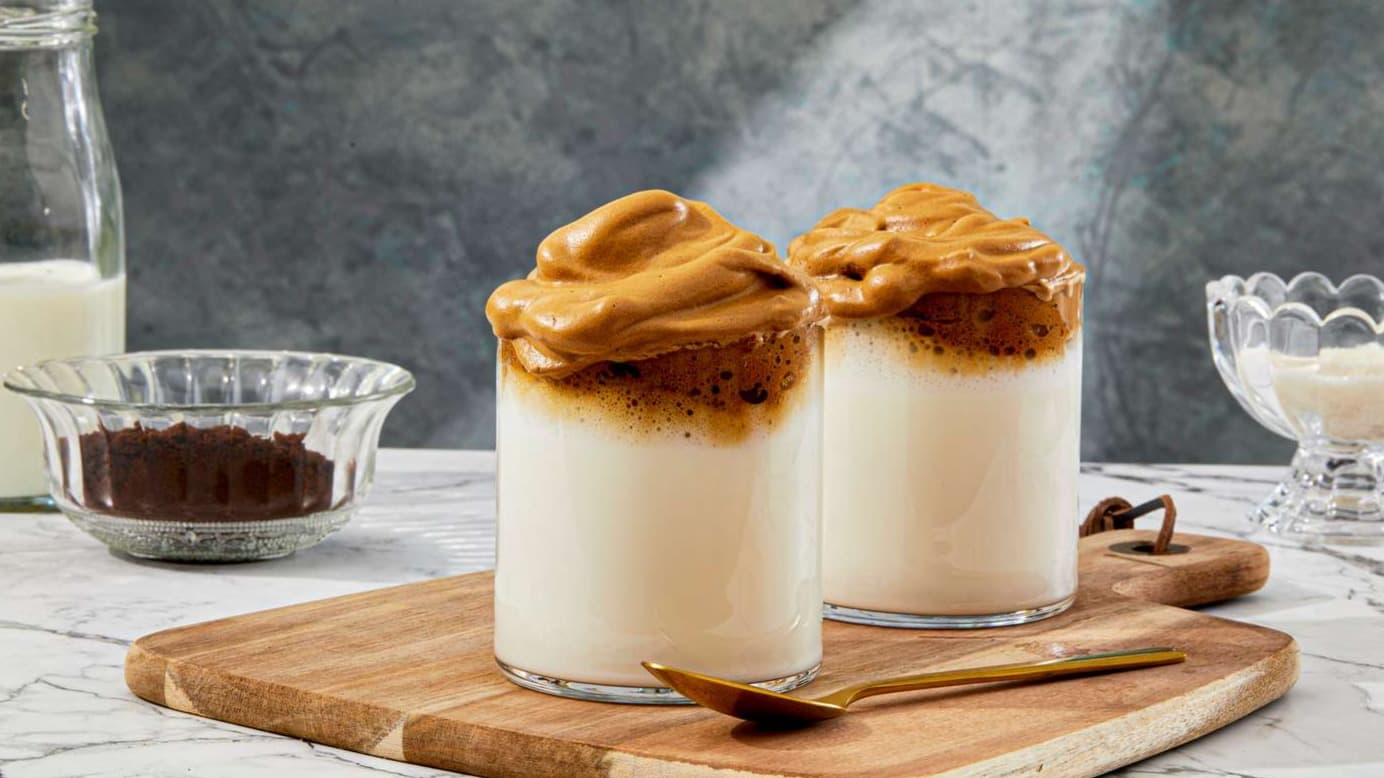
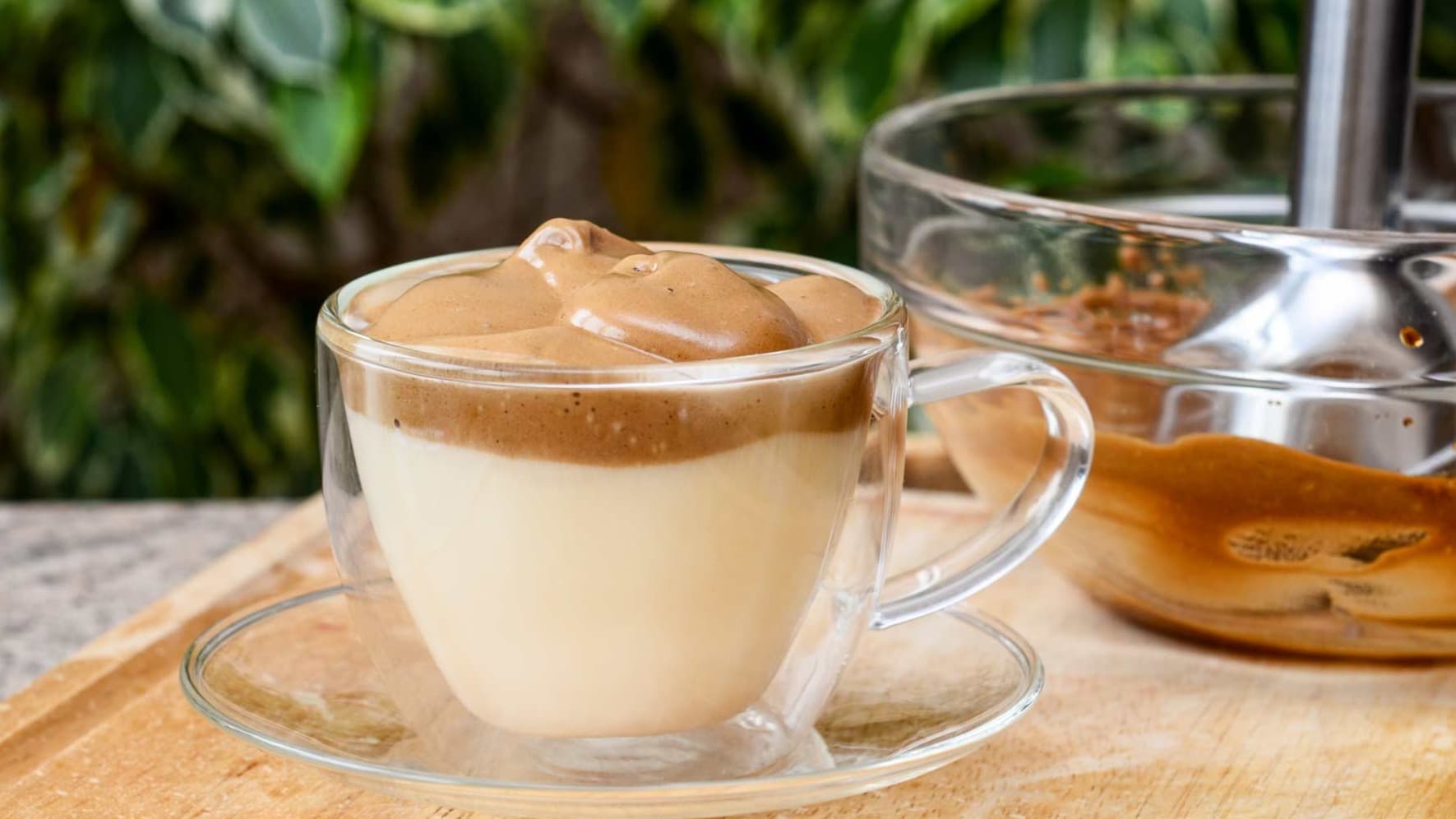
There was a time when every Indian kitchen suddenly turned into a fake café. People were aggressively whisking instant coffee with sugar like their life depended on it. Your Instagram feed looked like one giant frothy beige cloud. Dalgona coffee wasn’t just a drink, it was a lockdown personality trait. But like every internet trend that peaks too fast, Dalgona quietly disappeared into the same graveyard as Banana Bread Twitter and “Zoom game nights.”
Now? India’s coffee scene has entered its expensive, aesthetic, emotionally complicated era. Welcome to India’s new coffee obsession.
If you walk into any trendy café in Delhi, Mumbai, Bengaluru, Pune, Chandigarh, Jaipur, or honestly even tier-2 cities now, one drink has completely taken over menus:
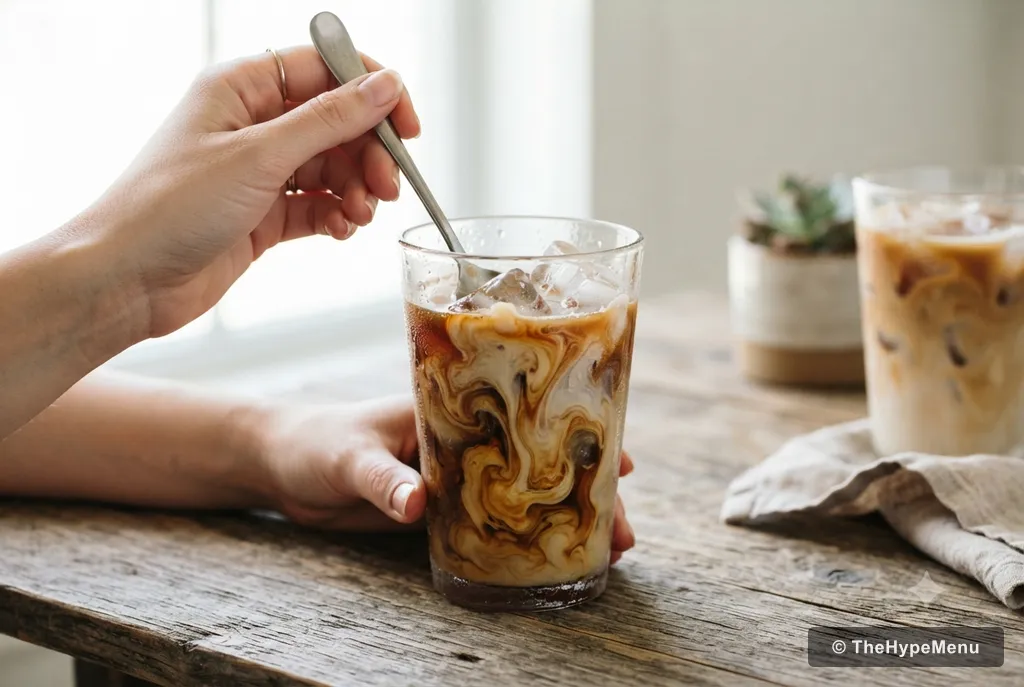
The iced Spanish latte! It’s sweeter than a regular latte, smoother than cold brew, stronger than a frappe, and somehow tastes like your life is finally together even when your screen time says otherwise.
Cafés are now reinventing it every three business days with:
pistachio cream
sea salt foam
tiramisu cold foam
brown sugar syrup
vanilla bean cream
coconut cloud toppings
Basically, coffee stopped being “coffee” and became dessert with emotional support properties. Think less birthday party, more rich-aunt-in-South-Delhi energy.
This is the biggest shift. Earlier, coffee was functional. You drank it because:
you were sleepy
your boss was annoying
or your assignment was due in six hours
Now coffee has become identity branding.
People don’t ask: “What coffee do you drink?”
They ask: “What kind of person are you?”
An Americano person and a pistachio latte person are living completely different emotional realities.
The rise of specialty cafés across India proves this. Younger audiences are suddenly obsessed with:
bean origins
brewing methods
tasting notes
alternative milk
manual brewing
coffee aesthetics
Half the people ordering pour-over coffee probably cannot explain what “citrusy notes” mean, but that’s not the point. The point is the experience. Coffee has become the adult version of choosing your Hogwarts house.
If coffee is the chaotic extrovert of café culture, matcha is the calm girl who journals at 7 AM and owns linen pants.
And India is fully entering its matcha phase now. A few years ago, matcha felt intimidating. Most people tried it once and reacted like they accidentally drank grass clippings. But Gen Z did what Gen Z does best: romanticised it until it became aspirational.
Now cafés everywhere are launching:
strawberry matcha
mango matcha
ceremonial matcha
blueberry matcha
coconut matcha foam
The green drink that once looked like pond water is now the face of wellness culture. And honestly? Matcha arrived at the perfect time! After years of hustle culture and caffeine addiction, people are suddenly obsessed with “balanced energy.” They want drinks that sound healthier, cleaner, calmer.
Coffee says:
“I slept at 3 AM.”
Matcha says:
“I meditate but also gossip.”
Ye bhed bhav kyun, you ask? The answer is in the aesthetics.
This is where things start sounding like a startup pitch deck. Sharks, are ya listening?
Coffee is no longer just expected to wake you up. Now it apparently also needs to:
improve gut health
support protein intake
boost focus
fix your skin
heal your inner child probably
Which is why “functional coffee” is becoming massive.
Enter:
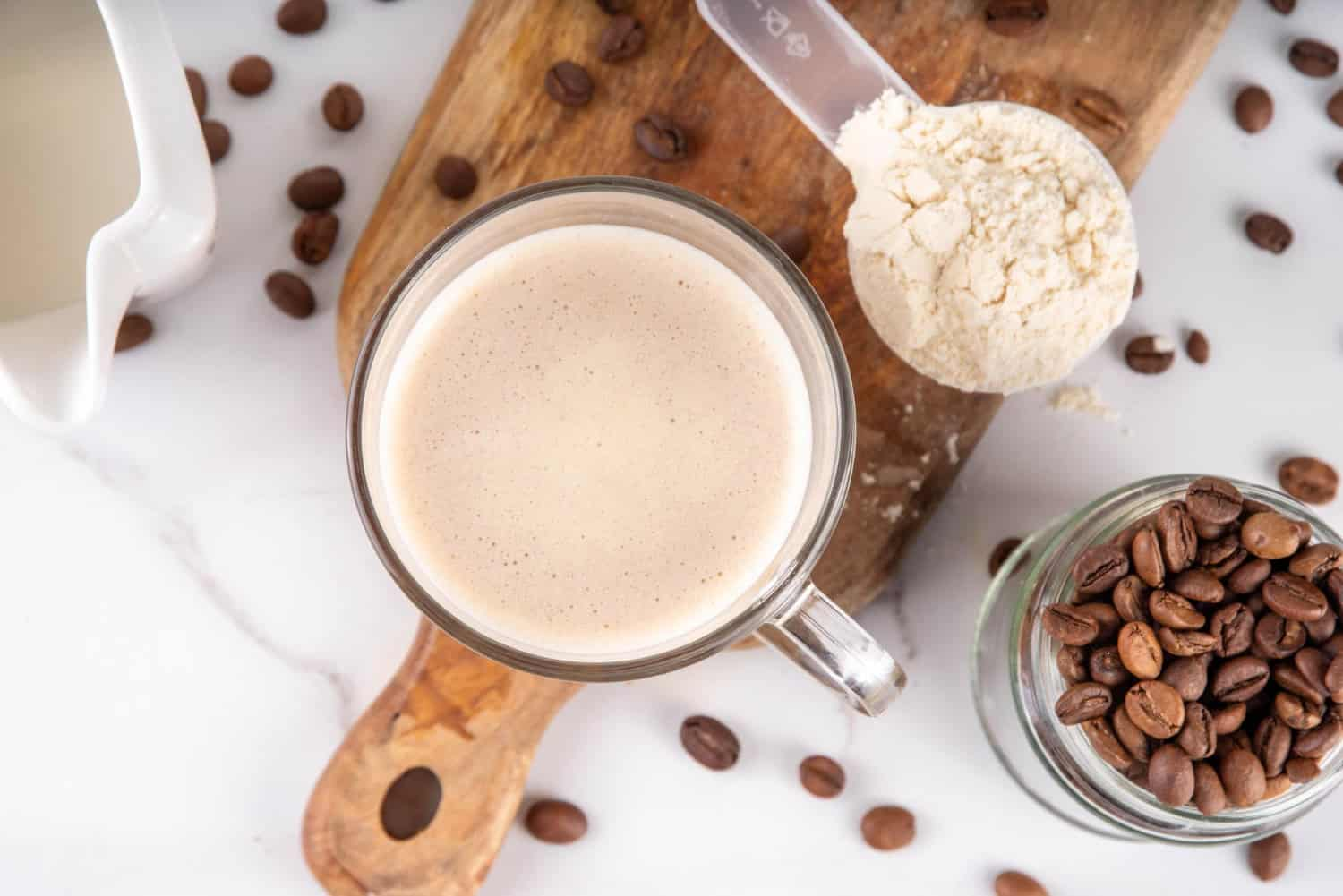
protein coffee
collagen coffee
mushroom coffee
adaptogen lattes
nootropic blends
Fitness influencers are pouring protein shakes into cold brew and calling it “proffee,” which genuinely sounds like a fintech app but is somehow a real trend. And cafés are jumping on it because younger consumers increasingly want “healthy indulgence.” Nobody wants to feel guilty while spending ₹500 on a beverage anymore. So cafés simply added words like:
protein
antioxidant
gut-friendly
clean energy
wellness blend
Suddenly the drink feels productive. Capitalism is brilliant sometimes, bahaha!
One reason Dalgona died so fast is because people realised they didn’t actually miss homemade coffee.
They missed cafés! And post-pandemic India developed a full-blown café obsession. Today cafés are:
offices
therapy rooms
dating spots
study zones
networking spaces
content studios
Some people spend more time choosing cafés than choosing careers. Tiny aesthetic cafés especially are booming because younger consumers want spaces that feel intimate and curated. The giant café-chain energy is slowly being replaced by hidden cafés with:
handwritten menus
ceramic cups
indie playlists
exposed brick walls
and one guy reading Murakami for visibility
Every café now wants to look like the set of a coming-of-age Netflix show.
This part cannot be ignored, bhailog. Modern café drinks are engineered for Instagram before they’re engineered for taste. That’s why everything is now:
layered
creamy
photogenic
foam-heavy
pastel-colored
served in suspiciously beautiful glassware
The modern coffee order needs to:
taste good
look expensive
appear in a story dump later
Which explains the rise of:
tiramisu lattes
ube coffee
pistachio cold brew
espresso tonics
cloud foam drinks
sparkling coffee
Some drinks genuinely look like they were designed by a Pinterest board called “soft life.” And honestly, people are buying the fantasy as much as the beverage.
Aur ummeed bhi hai kya iss “camera eats before I do generation se.”
For years, Indian coffee culture was mostly:
instant coffee at home
CCD dates
overly sugary cold coffee
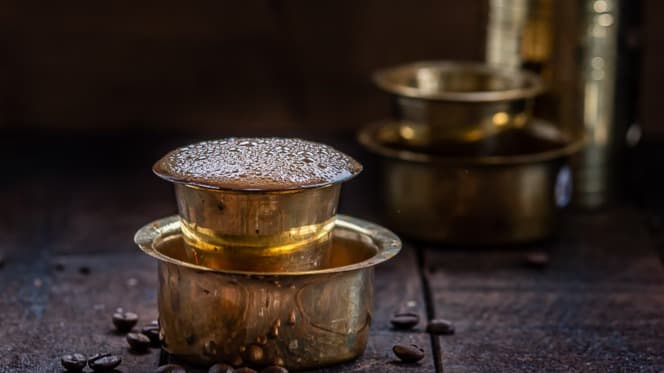
South Indian filter coffee traditions
Now there’s a noticeable shift toward specialty café culture, especially among younger urban consumers.
People are becoming curious about:
where beans come from
artisanal brewing
café craftsmanship
sustainability
alternative milk
premium experiences
Coffee has gone from “daily necessity” to “affordable luxury.” And that’s exactly why the Dalgona era ended.
Dalgona was DIY, but today's coffee culture is aspirational.
People no longer want:
“Look what I made.”
They want:
“Look where I am.”
That’s the riyal story, mitron. Because somewhere between lockdown boredom and oat milk pistachio foam, coffee stopped being a drink, it became a lifestyle genre. Tooodless.
5 min read
5 min read
6 min read
5 min read