Why India Is Becoming A Major Coffee-Growing Nation, And What That Means For Your Cup
5 min read
Authored By
JAJayant Singh
@jayant
South Indian kaapi mainstream now
Walk into any trendy café in Mumbai, Delhi, or Bengaluru right now and chances are you’ll spot it on the menu - “Traditional South Indian Filter Coffee.” It is served in a steel tumbler, usually photographed before being consumed and sometimes priced like it comes with a free trip to South India.
But while the rest of urban India is suddenly rediscovering filter coffee like it’s a cool indie band, South India has been living this culture for generations. For millions of households, filter coffee is not a trend, aesthetic, or “experience.” It is routine and a ritual.
And the story behind it is much bigger (and tempting) than most people realise.
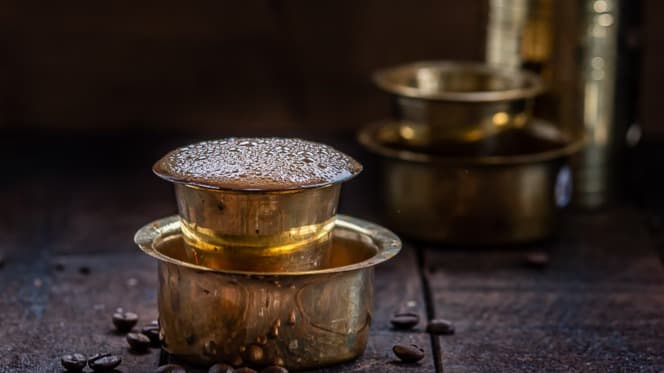
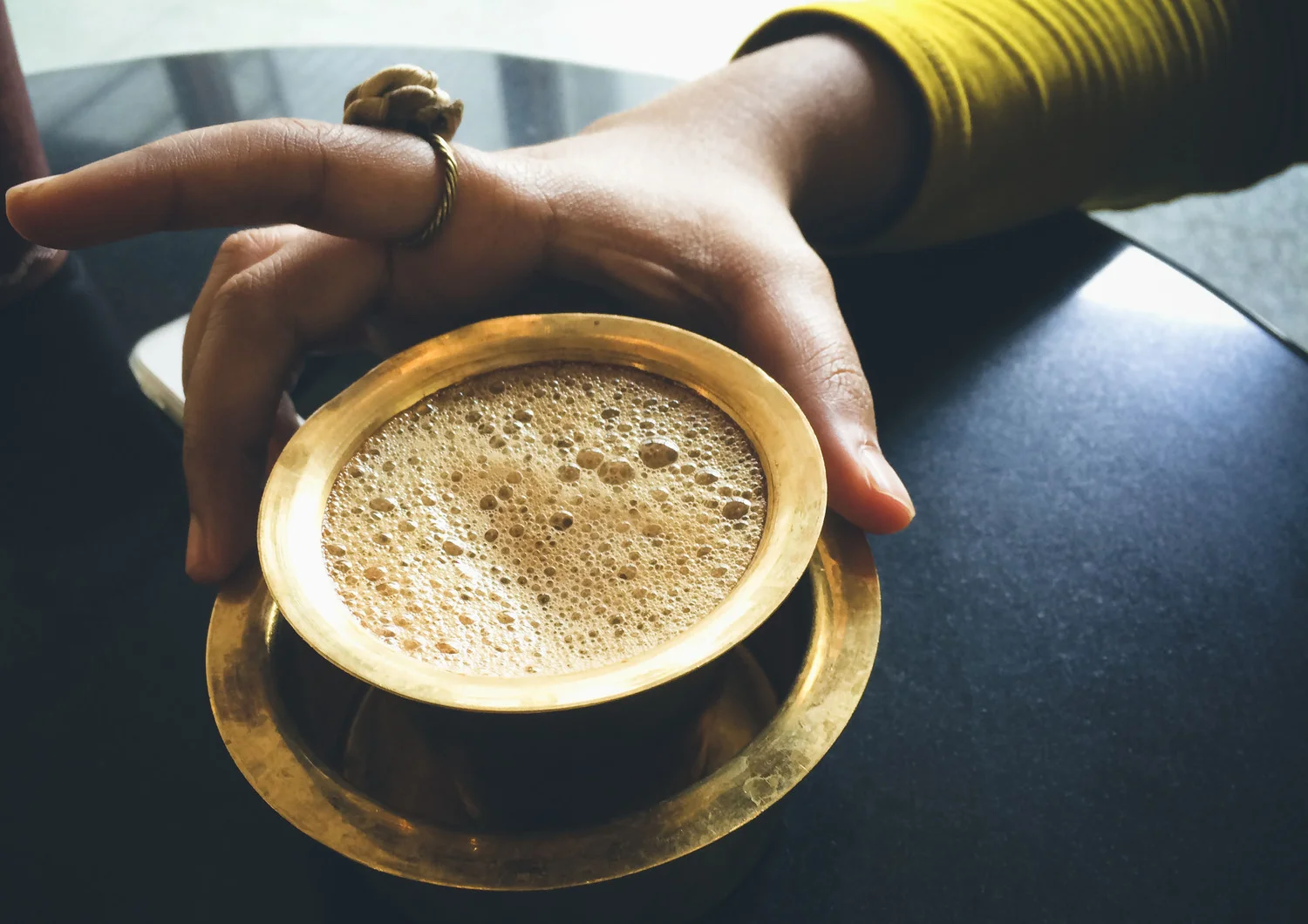
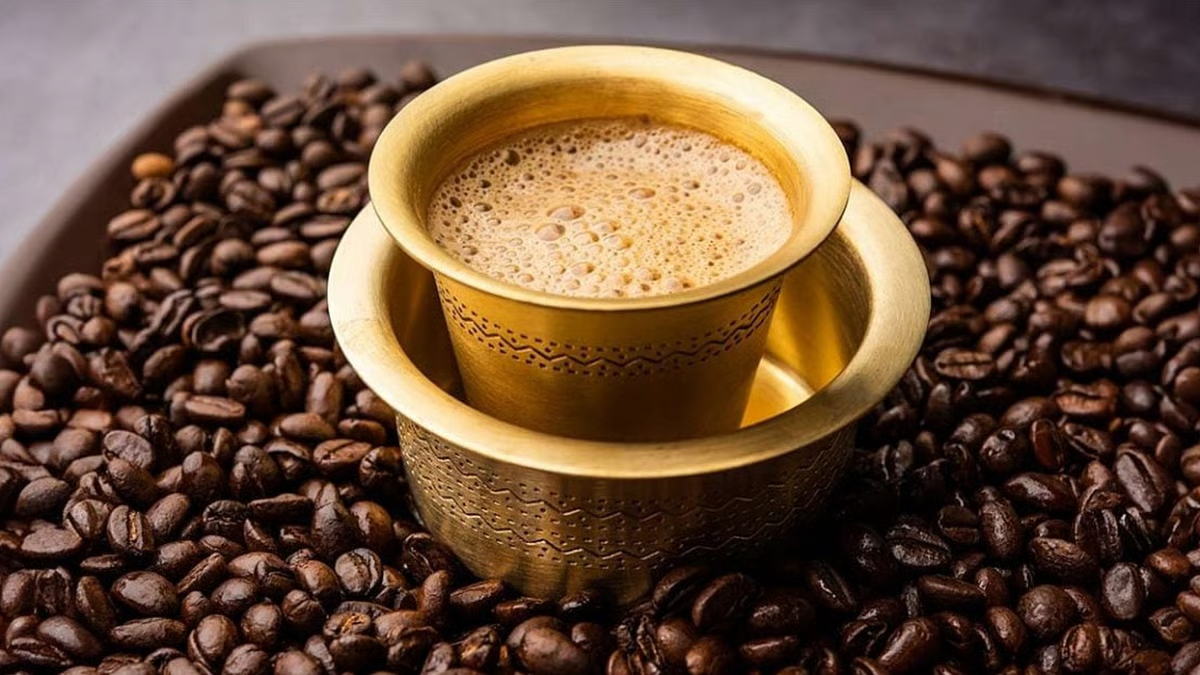
South Indian filter coffee, often called filter kaapi, is a strong coffee drink made using a metal coffee filter that slowly drips brewed decoction into a lower chamber. The decoction is then mixed with hot milk and sugar before being poured dramatically between a tumbler and a dabarah to create its signature froth.
Unlike espresso-based coffee, filter coffee is:
slower brewed
milk-heavy
stronger in aroma
often blended with chicory
That chicory part is flex-worthy.
Traditional South Indian filter coffee usually contains about 10–20% chicory mixed with coffee grounds. Chicory adds bitterness, body, and thickness, giving filter coffee its distinctive earthy taste and almost caramel-like depth. The brewing device itself is beautifully simple; a cylindrical steel filter with two compartments. Hot water is poured over finely ground coffee in the upper chamber, and gravity slowly pulls the decoction downward.
Now comes the part that genuinely sounds like a Bollywood period drama. According to legend, coffee arrived in India in the 17th century because of a Sufi saint named Baba Budan.
At the time, Yemen controlled coffee cultivation and reportedly prohibited the export of fertile coffee beans to maintain monopoly over the trade. During a pilgrimage to Mecca, Baba Budan is believed to have secretly smuggled seven raw coffee beans from Yemen back to India by hiding them in his beard or clothing.
He planted those beans in the hills of Chikmagalur in present-day Karnataka. And just like that, India’s coffee story began. Today, the region is known as Baba Budangiri, and Karnataka remains India’s largest coffee-producing state. Honestly, compared to this story, most startup founder origin stories feel deeply underwhelming.
Coffee cultivation expanded under colonial plantation systems during British rule, especially across Karnataka, Coorg, and parts of Kerala and Tamil Nadu. Over time, coffee slowly entered South Indian domestic culture, particularly in Tamil Brahmin households, where brewing techniques evolved into what we now recognise as filter coffee.
By the early 20th century, filter coffee had become deeply tied to:
morning routines
hospitality culture
railway station canteens
office breaks
family gatherings
The now-iconic steel tumbler-dabarah combination became central to serving style because it cooled the coffee while creating froth through repeated pouring. Basically, before cafés started calling drinks “handcrafted,” South Indian homes had already mastered the art form.
A huge part of filter coffee’s spread came through Udupi restaurants. Originally linked to Karnataka’s Udupi region and its vegetarian food traditions, Udupi restaurants expanded rapidly across Indian cities during the 20th century.
Places like:
Mysore Cafe
old-school darshinis in Bengaluru
Indian Coffee Houses
generations of Tamil eateries
helped make filter coffee accessible outside South India.
In cities like Mumbai, Matunga became almost synonymous with classic South Indian café culture. Students, office-goers, actors, and families gathered over idlis, dosas, and tumblers of strong kaapi. Long before coworking cafés existed, India already had bustling coffee-table culture.
One reason filter coffee is surviving generations is because it keeps evolving. Different regions have their own styles:
Popular in Tamil Nadu, especially around Chennai and Kumbakonam, “degree coffee” refers to high-quality milk mixed with strong decoction. The term is often associated with purity and richness.
Slightly milder and aromatic, often associated with Karnataka-style blends.
Known for thick milk and strong chicory presence, this version has cult status among coffee lovers.
Coffee theatrically poured from great heights between steel vessels to create froth and cool the drink.
Today’s metro cafés are reinventing filter coffee with:
oat milk
jaggery sweeteners
cold brew decoctions
vanilla-infused kaapi
espresso-filter hybrids
filter coffee martinis
Yes, capitalism eventually finds everyone.
The filter coffee boom happening in urban India right now is tied to a bigger cultural shift. Young consumers are increasingly moving away from hyper-Western café culture and looking for things that feel:
rooted
regional
nostalgic
authentically Indian
Filter coffee fits perfectly into this mood. It is:
traditional but premium
simple but layered
deeply tied to memory
At the same time, India’s specialty coffee movement helped urban consumers understand beans, roasts, brewing methods, and regional coffee identities. Specialty cafés started talking about:
Chikmagalur
Coorg
Monsooned Malabar
Araku Valley
Single-origin Indian coffee
South India never needed filter coffee to become trendy, it was already woven into daily life. While urban cafés are now serving ₹300 artisanal kaapi flights, countless South Indian homes still begin mornings the same way they did decades ago; with freshly brewed decoction slowly dripping through steel filters before sunrise. Toodlesss.
5 min read
6 min read
5 min read
5 min read