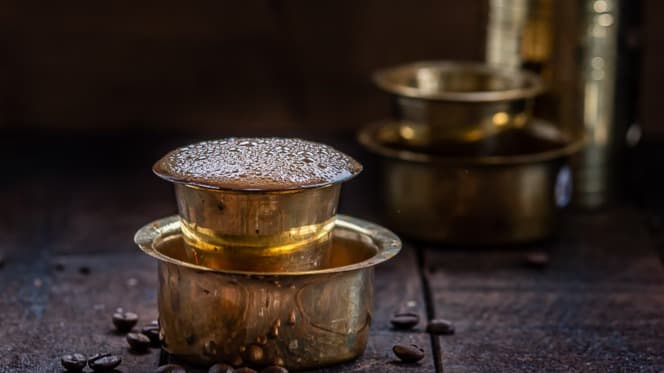
Filter Coffee Is Having A Cultural Takeover, But South India Has Been Brewing This Story For Centuries
5 min read
Authored By
JAJayant Singh
@jayant
Instant kaapi who, specialty ftw!
There was a time when coffee in India meant exactly three things:
Your parents drinking instant coffee before work
South Indian filter coffee in steel tumblers
And that suspiciously watery vending machine cappuccino at college festivals
But now, coffee has become a full-blown personality trait. People are discussing tasting notes like they’re on MasterChef. Instagram cafés are multiplying faster than situationships. Someone you know definitely owns a French press they barely use.
And suddenly everybody has opinions about Arabica vs Robusta like it’s a political debate panel on primetime TV. And no, this didn’t happen overnight.
Raat baaki hai, and kaapi ke raaz bhi baaki hain. Let’s dig in.
Indian coffee history sounds less like an agricultural timeline and more like the plot of a period drama. According to legend, a 17th-century Sufi saint named Baba Budan smuggled seven coffee beans from Yemen into India after a pilgrimage to Mecca. At the time, fertile coffee seeds were heavily guarded because Arabia controlled the coffee trade like a strict Bollywood father guarding his daughter in a 2000s movie.
Baba Budan allegedly hid the seeds and planted them in the hills of Karnataka. Those hills are now called Baba Budan Giri, and they became the birthplace of Indian coffee cultivation. Honestly, Indian coffee beginning with a smuggling subplot feels extremely on brand for this country.
Anurag Kashyap sir, plot register karwaalo.
Here’s where things get interesting. Unlike massive industrial plantations in Brazil or Vietnam, Indian coffee evolved differently. Most Indian coffee is shade-grown, which means the plants grow under thick forest canopies alongside spices, fruits, and trees instead of directly under harsh sunlight.
So Indian coffee farms often grow with pepper, cardamom, vanilla, bananas, and oranges all around them. Which explains why Indian coffee tastes the way it does. Instead of super acidic fruity flavours, Indian coffees are usually: earthy, spicy, chocolatey, nutty, and heavy-bodied.
Basically, if Scandinavian coffee tastes like an indie Spotify playlist made by someone named Astrid, Indian coffee tastes like monsoon evenings, old wooden furniture, and an AR Rahman soundtrack.
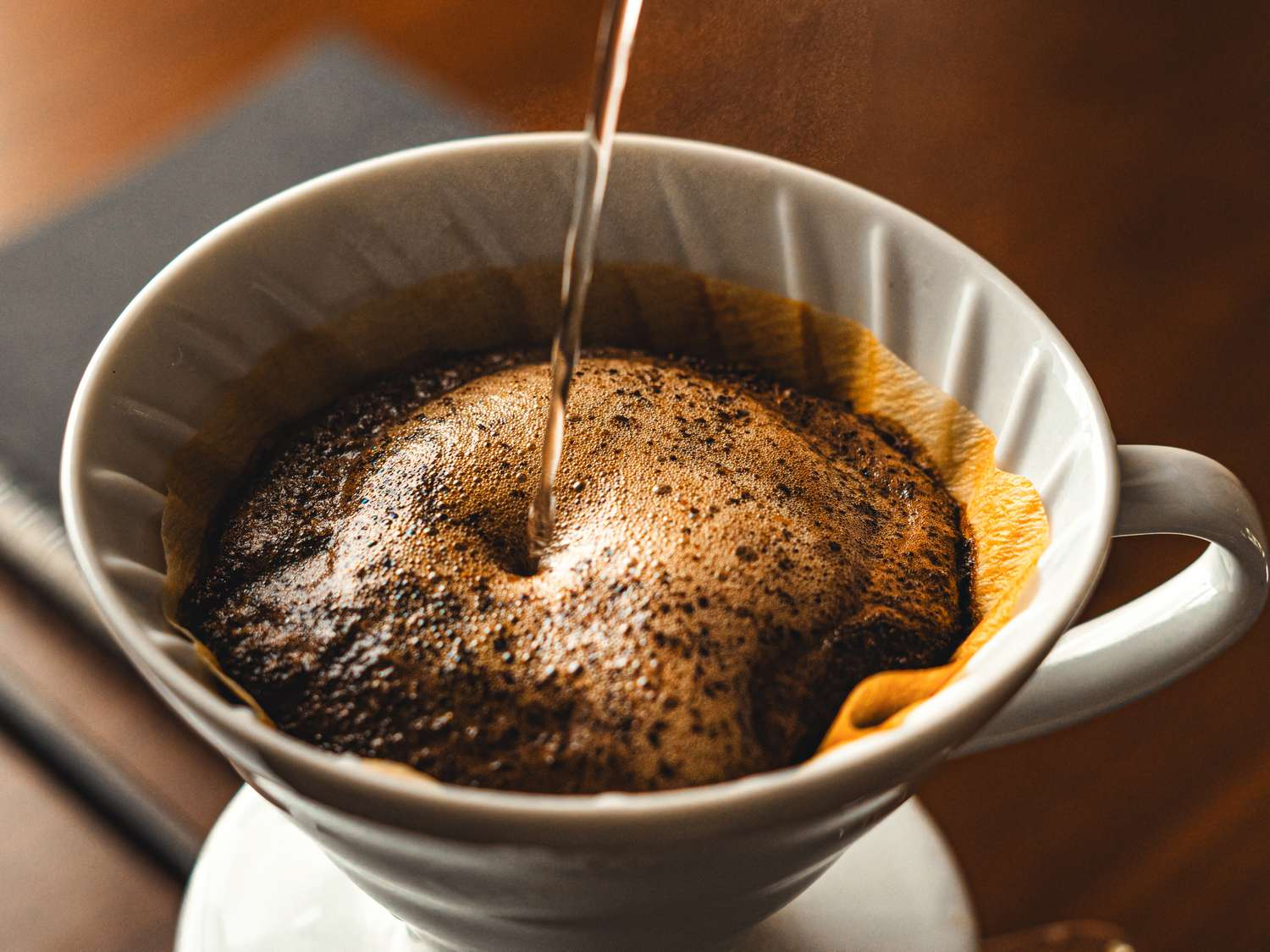
For decades, coffee culture in India belonged mostly to the South. Filter coffee wasn’t just a beverage there, it was and still is a ritual.
In many South Indian households, mornings begin with the sound of steel tumblers clinking and the smell of freshly brewed filter kaapi filling the house before anyone has even spoken a word. It’s less “morning routine” and more sacred ceremony.
Meanwhile, much of North India stayed loyal to chai. But then urban India changed.
If you grew up in the 2000s, you already know this. Before cafés became aesthetic co-working spaces with jazz playlists and existential lighting, there was Café Coffee Day. CCD genuinely transformed urban Indian culture. It gave young Indians something they didn’t really have before; a “third place.”
Suddenly people were:
going on dates over frappes
holding startup meetings
pretending to study
staring outside glass windows during heartbreaks
Entire Indian coming-of-age arcs happened inside CCD outlets. It walked so modern specialty cafés could run.
This is where coffee stopped being “just coffee.” The new generation of cafés began treating coffee the way wine is treated: with obsession.
People suddenly cared about:
bean origins
roast profiles
brewing methods
processing styles
altitude
farmer traceability
And terms like “single-origin,” “washed process,” and “micro-lot” entered everyday conversation. Ten years ago, saying “this coffee has berry notes” in India would’ve gotten you roasted harder than the beans themselves.
Today, it’s normal. Brands like Blue Tokai, Third Wave Coffee, Subko, and Araku Coffee helped make Indian specialty coffee cool, aspirational, and internet-friendly.
And frankly, Gen Z ate it up. (Quite literally!)
People don’t just “go for coffee” anymore.
They:
journal over coffee,
edit reels over coffee,
heal emotionally over coffee,
soft-launch relationships over coffee.
Entire personalities are now built around oat milk cappuccinos and tote bags. Social media accelerated this massively.
Instagram exposed young Indians to:
Korean café aesthetics
Scandinavian minimalism
Australian brunch culture
Tokyo-style coffee bars
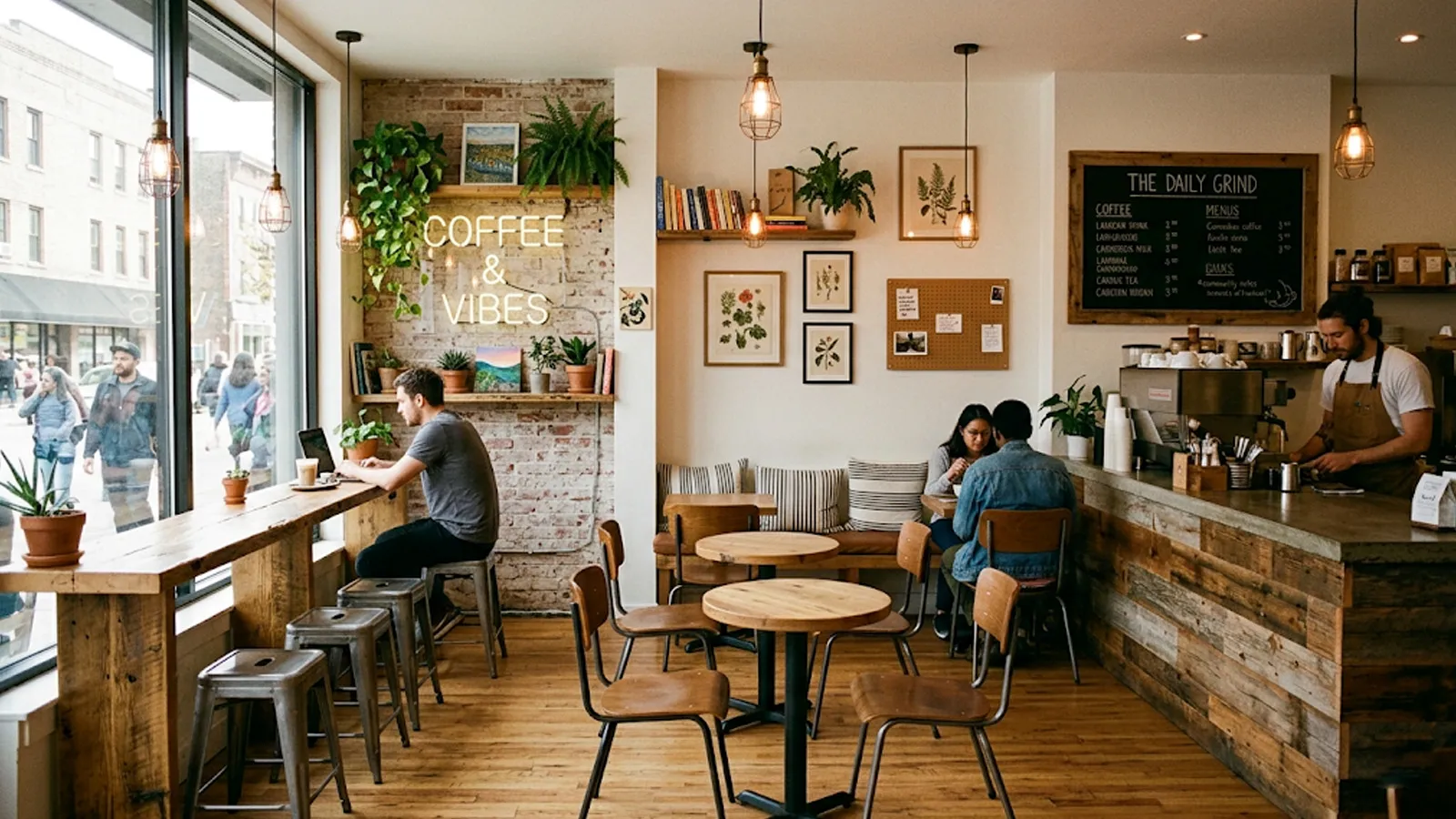
And Indian cities adapted fast. Walk into cafés in Bengaluru, Mumbai, Delhi, or Hyderabad today and you’ll find interiors so aesthetically curated they look like Pinterest boards paying rent.
For years, India mostly sent its premium coffee abroad while domestic consumers drank instant blends. Which is genuinely hilarious when you think about it. We were producing world-class beans but treating them like export-quality relatives who settle abroad and never come back.
Now, that’s changing! Indian consumers themselves are demanding better coffee. They want fresher beans, local roasters, artisanal brewing, and traceability. Which means India is finally beginning to drink its own good coffee.
India is now among the world’s largest coffee producers, and exports have surged dramatically in recent years.
Regions like:
Chikmagalur
Coorg
Wayanad
Araku Valley
are becoming internationally respected coffee origins.
And Indian Robusta, which was once looked down upon globally, is now gaining serious respect in specialty coffee circles.
That’s a huge deal because Robusta has historically been treated like coffee’s underrated middle child.
India’s coffee boom is still in its early chapters. What comes next will probably include:
more specialty cafés
home brewing culture
coffee tourism
regional coffee branding
sustainable farming
experimental processing methods
Coffee estates in Coorg and Chikmagalur are already becoming travel destinations for urban Indians wanting their own “main character in the mountains” moment. Meanwhile, climate change is forcing the global coffee industry to rethink farming practices. And India’s biodiversity-heavy shade-grown model may actually become one of its biggest advantages. Which means India isn’t just participating in global coffee culture anymore.
It’s helping shape the future of it. And honestly, that feels fitting. Because in a country where every conversation eventually turns emotional, philosophical, or dramatic, coffee was never going to remain “just a beverage” forever. It was always destined to become a whole KJO type universe. Toodlesss.
5 min read
6 min read
5 min read
5 min read