
Why Indians Are Moving Money Out Of Fixed Deposits, And What They’re Putting It In Instead
4 min read

Authored By
JAJayant Singh
@jayant
Some startup win, other no but learning everywhere.
Indian startups don’t really “stay in their lane.” One day they’re delivering books, the next they’re launching fintech products, electric scooters, AI tools, and maybe a grocery app that promises onions in eight minutes. Somewhere between ambition and chaos lies the great Indian startup pivot, the art of dramatically changing direction while pretending it was always part of the plan.
Toh sharks, are ya listening? And honestly? Some of these pivots built billion-dollar companies. Others crashed so badly they now live on in MBA presentations titled “What Went Wrong?”
Here are the Indian startup pivots that genuinely changed the game, and the ones that spectacularly lost the plot.
Back in 2007, Flipkart was just an online bookstore started from a Bengaluru apartment. At the time, Indians barely trusted online payments. Ordering something online felt less like shopping and more like participating in a social experiment.
But the founders realised the bigger opportunity wasn’t books. It was solving India’s entire online shopping problem.
So Flipkart pivoted into full-scale e-commerce. Electronics, fashion, appliances, logistics, everything! More importantly, they introduced features tailored for Indian consumers with cash on delivery, easy returns, and delivery systems that somehow functioned despite Indian addresses sounding like treasure hunt clues.
This pivot didn’t just grow a company. It changed consumer behaviour across the country. Today, ordering random things at 2 AM during a “limited-time sale” is basically a national hobby.
While many startups chased urban millennials drinking cold brew in coworking spaces, Meesho noticed something very different happening across Tier 2 and Tier 3 India. People, especially women, were already running mini businesses through WhatsApp groups. All being sold informally through DMs and status updates.
Meesho originally tried helping small stores go online, but that model didn’t scale. Instead of building for elite online shoppers, Meesho built for resellers. Suddenly, anyone with a smartphone and good networking skills could start earning online without maintaining inventory.
It was one of the smartest pivots in Indian startup history because it recognised a very desi truth: India has always had entrepreneurs. They just needed internet access.
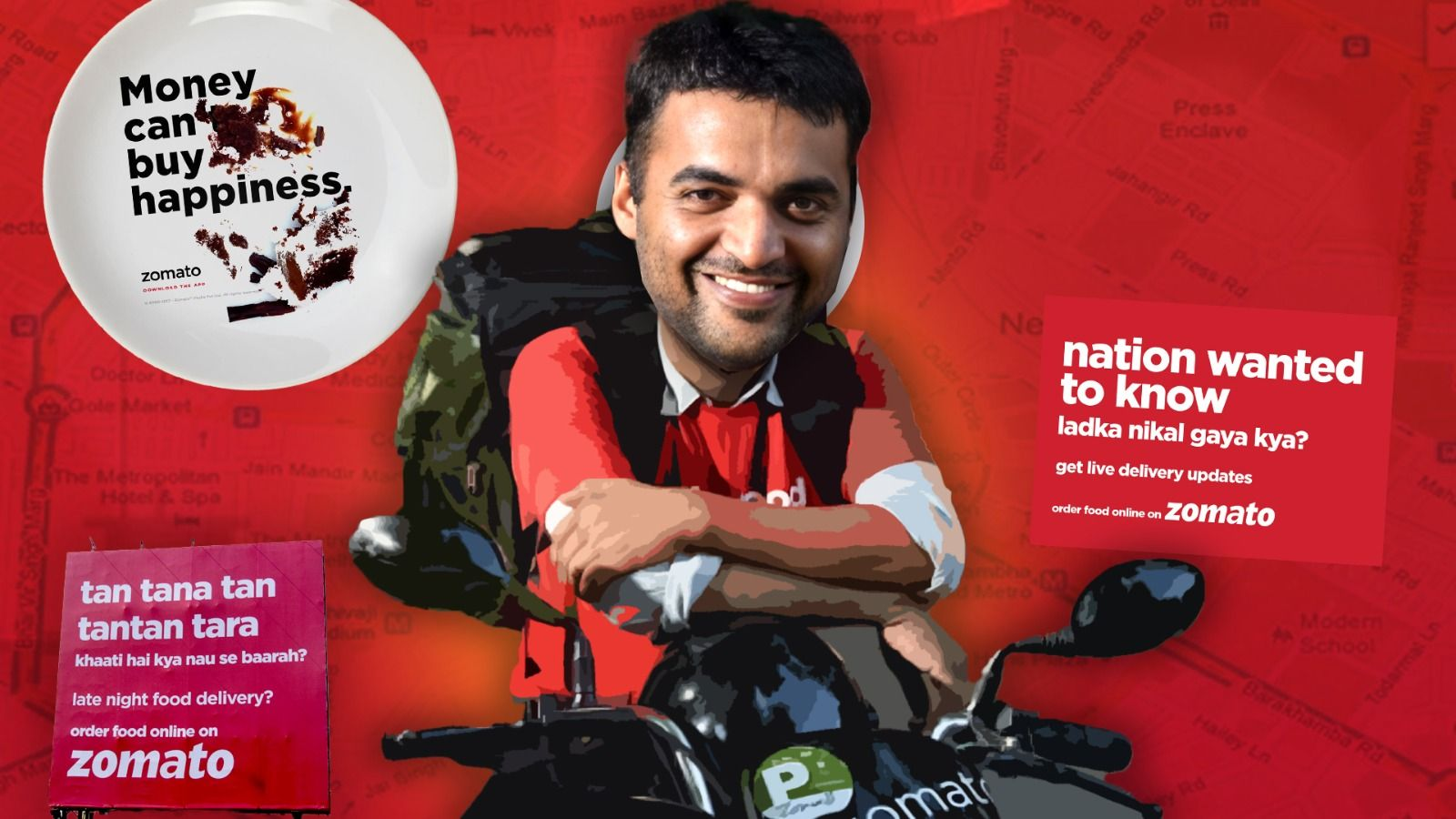
Early users remember Zomato as the app where you checked menus and restaurant reviews before deciding where to eat.
Those were cuter and more innocent times. Then urban life happened! Zomato realised people didn’t just want restaurant discovery. They wanted food delivered directly to their door while lying horizontally in bed watching Brooklyn Nine-Nine reruns.
That pivot into food delivery transformed the company entirely. But Zomato also became proof that not every pivot is successful. Over the years, the company experimented with grocery delivery, intercity food shipping, and several international expansions that quietly disappeared later. Basically, startup culture sometimes operates like that one friend who keeps changing career plans every six months.
Originally called Grofers, Blinkit was just another online grocery platform. Then came quick commerce! VROOM VROOM. And suddenly the company asked a question nobody knew needed answering: “What if groceries arrived before your impulsiveness ended?”
The pivot to 10-minute delivery initially sounded ridiculous. But post-pandemic India had fully embraced convenience culture. People no longer wanted “delivery by tomorrow.” They wanted instant gratification. Need Maggi at midnight? Ice cream during heartbreak? Coriander leaves because your mother forgot them during cooking?
Blinkit built an entire business around urgency and impulse! Honestly,the company understood modern urban behaviour better than most therapists.
Paytm started as a recharge platform. Just mobile recharges. That’s it. At one point the app started feeling like an Indian mall compressed into smartphone form.
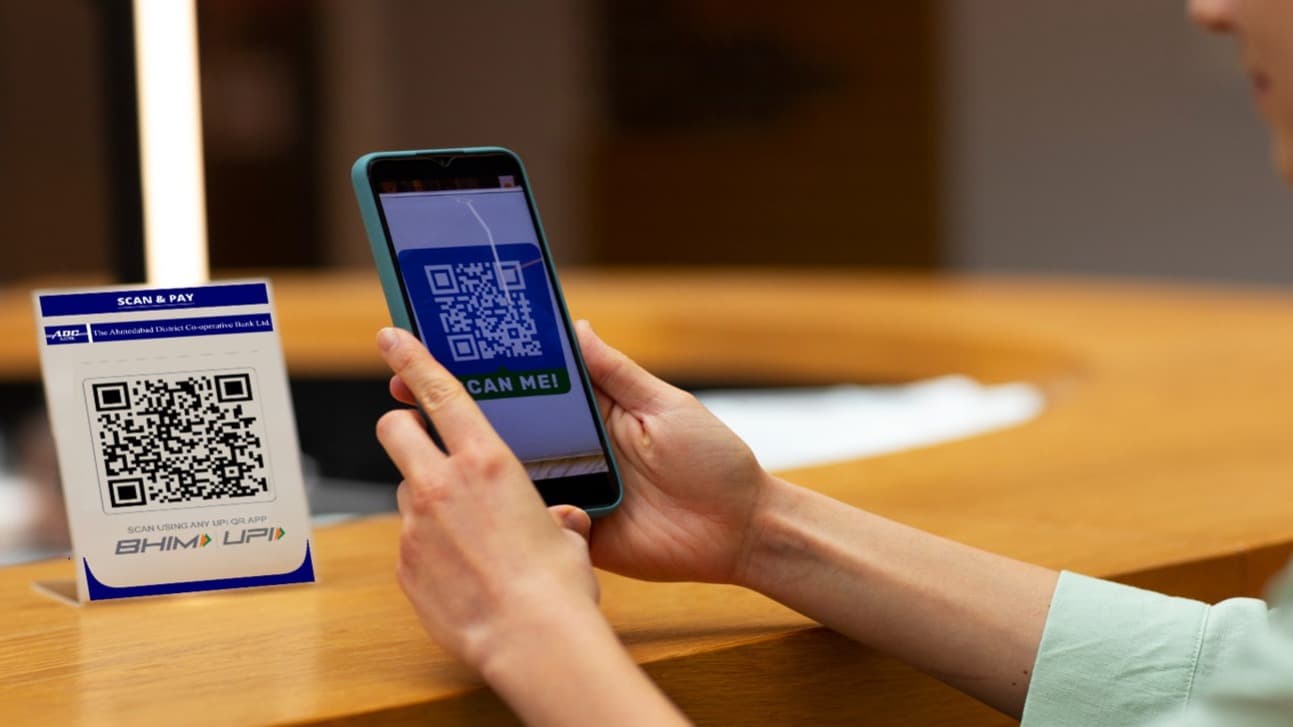
Its initial fintech pivot worked brilliantly, especially after demonetisation pushed millions toward digital payments overnight. QR codes became more common than restaurant menus. But later expansions created a problem many startups face; identity confusion.
When a company tries to become everything simultaneously, users eventually stop knowing what it actually is. Still, Paytm remains one of India’s most fascinating examples of how a successful pivot can reshape an entire industry.
Ola Cabs became successful because it adapted ride-sharing specifically for India. But then came expansion mode. The company launched food delivery, quick commerce, electric mobility, and multiple side businesses. Some vanished almost instantly. Remember Ola Dash? Exactly. But Ola Electric became huge.
There was a time when Byju’s represented peak Indian startup success. Its pivot from offline coaching classes to online education genuinely transformed learning for millions of students. The company made edtech aspirational. Suddenly studying came with animations, tablets, celebrity ads, and startup funding bigger than movie budgets.
Then things spiralled. Aggressive acquisitions, global expansion, financial troubles, layoffs, the company became a cautionary tale about growth obsession. For years, startup culture celebrated “scale at all costs.” Byju’s became the moment everyone started questioning the cost part.
Before Amazon and Flipkart completely dominated Indian e-commerce, Snapdeal was a major player. Originally a deals platform, Snapdeal pivoted into full-scale online retail. For a while, it looked unstoppable. Then came endless discount wars, investor pressure, and brutal competition. The company struggled to differentiate itself and eventually lost ground rapidly. India changes too fast. One year everyone wants cashback apps. Next year it’s quick commerce. Indian startups pivot because they have to.
The companies that survive are usually the ones that understand one thing before everyone else does; people may not always know what they want, but the internet will tell you eventually.
And somewhere in Bengaluru right now, there’s probably a founder staring at a pitch deck thinking, “What if we add AI to grocery delivery?”
4 min read
4 min read

6 min read

6 min read