
Why Indians Are Moving Money Out Of Fixed Deposits, And What They’re Putting It In Instead
4 min read
Authored By
JAJayant Singh
@jayant
India's money game full sci-fi feels cause UPI, real money like monopoly money now!
There was a time in India when “Do you have change?” was basically the national anthem. Wallets were fat, not because people had money, but because they had seventeen folded ₹10 notes, old movie tickets, and one mysterious temple receipt from 2014. Then UPI entered the chat!
Voila…
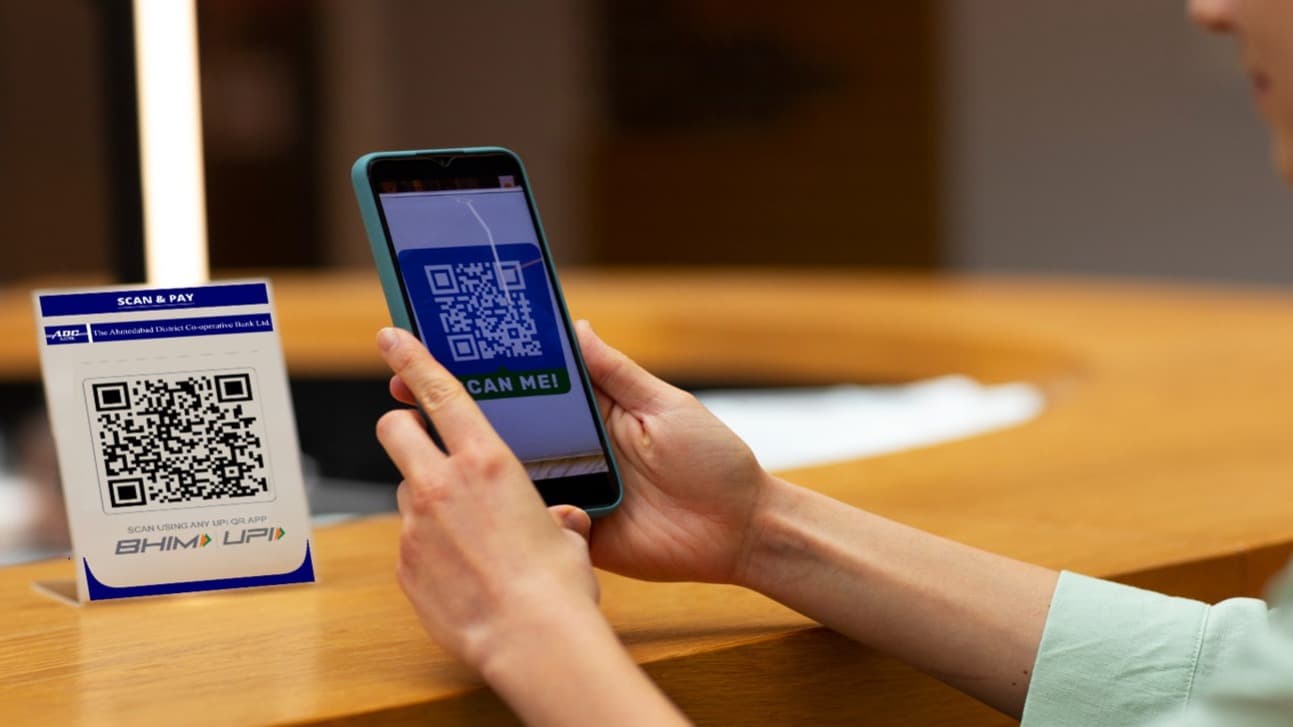
And suddenly, India became a country where a coconut seller, chai stall owner, tattoo artist, tuition teacher, and your extremely dramatic friend who’s splitting a ₹92 momos bill all say the same thing: “QR scan kar lo.”
UPI didn’t just change payments. It changed behaviour, culture, language, trust, business models, and frankly, the entire vibe of money in India.
Paisa bolta hai, par UPI toh pura hip hop rap kar raha hai…
According to government data, UPI processed nearly 22,000 crore transactions in 2025 alone, averaging around 60 crore transactions daily. Today, UPI accounts for more than 80% of India’s retail digital payments ecosystem. But now comes the bigger question; if UPI was Revolution 1.0, what is India’s next financial twist?
Because the truth is, we are entering an era where payments won’t just be digital. They’ll become invisible, predictive, programmable, and terrifyingly smart.
Mereko toh aisa dhak dhak horela hai.
UPI succeeded because it cracked something most financial systems never do, which is behavioural adoption. India didn’t become digital because everyone suddenly became “tech-savvy.” India became digital because UPI made paying ridiculously frictionless.This is what economists call “low-friction financial architecture.” Basically, the easier a system feels, the more people use it.
And Indians used it HARDDD.
Street vendors now casually say “payment received” faster than luxury stores. Parents who once feared online banking now send “beta ₹500 bhej de” requests at 11:48 PM with zero hesitation. Auto drivers literally look offended when you offer cash.
UPI also created something fascinating, which is micro-digital trust. For decades, India’s economy was heavily cash-driven because cash felt psychologically “real.” But UPI normalized digital value transfer even in hyperlocal spaces. Suddenly, tiny transactions mattered digitally too. ₹12 for Maggi? Scan! ₹5 photocopy? Scan! ₹20 pani puri? Scan foodie scan!
Here’s where things get slightly unhinged.
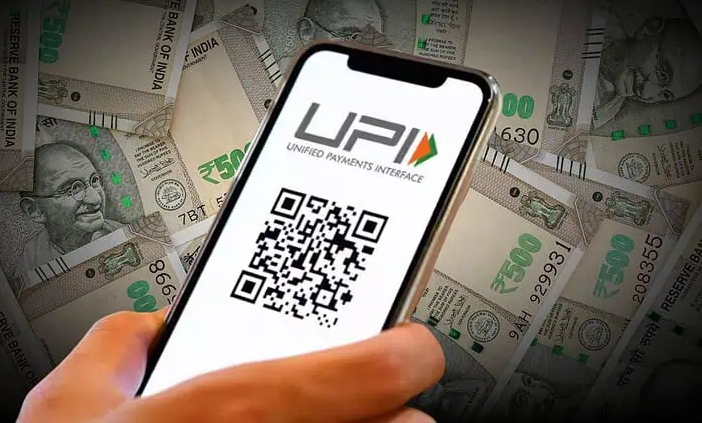
Researchers studying UPI behaviour found that nearly 75% of users felt they spent more after switching to digital payments. Why? Because physical cash creates emotional resistance. Watching a ₹500 note physically disappear hurts. Tapping a phone? Feels like…meh.
Behavioural economists call this the “pain of paying.” UPI reduced that pain dramatically. Which is amazing for convenience but slightly dangerous for impulse control. Suddenly everyone became financially brave at midnight Swiggy orders!
This is also why “small-ticket economy” exploded. Subscription culture, quick commerce, creator tipping, digital gaming, and instant shopping all grew because payments became psychologically invisible. Basically, UPI transformed India from a “save-first” economy into a “tap-first” economy.
Now comes the next stage. The future of Indian finance is not about more payment apps. We already have enough apps fighting for dominance like it’s IPL but for QR codes. The next revolution is embedded finance. That means payments becoming so integrated into daily life that you stop noticing them entirely.
Your metro ride charges automatically. Your fridge reorders milk. Your EV pays toll tax itself. Your OTT subscriptions adjust dynamically based on usage. Money will stop being an “action” and become a background thingie. Are we ready for it? This is already happening globally through concepts like autonomous payments, open banking, API-driven finance, and machine-to-machine commerce.
In India, systems like Account Aggregator, ONDC, and digital public infrastructure are laying the groundwork for exactly this kind of ecosystem. And frankly, it sounds futuristic until you realize India already normalized scanning a QR code at a roadside golgappa stall before many developed countries did.

Now let’s talk about the thing that sounds sci-fi but is becoming very real, CBDC.
CBDC stands for Central Bank Digital Currency. In India, it’s called the Digital Rupee or e₹. Unlike crypto, this isn’t decentralized internet money with wolf emojis and people yelling “to the moon.” This is RBI-issued programmable digital currency.
And programmable is the keyword here. Imagine government subsidies that can only be spent on healthcare or education. Imagine disaster relief funds transferred instantly without leakage. That’s the potential of CBDCs!
The Reserve Bank of India is already piloting digital rupee systems because the long-term goal isn’t just digital payments anymore. It's a sovereign digital money infrastructure.
The wildest part is that…the world is watching India. UPI now handles nearly half of global real-time payment transactions according to multiple international reports. Countries are studying India’s digital public infrastructure model because it scaled faster and cheaper than many Western banking systems.
That’s why India’s next financial revolution probably won’t look like Wall Street. It’ll look like a hyper-connected ecosystem where finance becomes ambient infrastructure. You won’t “go online” to bank anymore. Banking will exist around you constantly like WiFi, traffic, and existential stress. Toodlesss.
4 min read

6 min read

5 min read

6 min read