
Why Standing Desks, Walking Meetings, And NEAT Are Becoming The Real Future Of Indian Office Fitness
6 min read
Authored By
JAJayant Singh
@jayant
Desi Parents irritate, sometimes walk helps
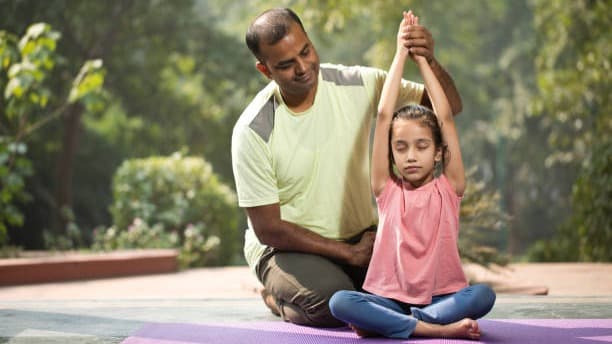
There’s a very glaring kind of trauma every Indian kid shares; waking up at 6 AM during summer vacations because somebody’s father had suddenly decided the entire family needed to “start yoga from tomorrow.”
Abhi bhi dhak dhak horela hai sunke.
You would stand there half-asleep on the terrace while your parents stretched like enlightened beings who had unlocked the secrets of life. Somewhere in the background, a neighbor’s TV blasted old yoga tutorials, somebody’s grandmother was aggressively doing pranayama, and every adult above the age of 40 seemed deeply convinced that Surya Namaskar could solve literally any problem.
Back then, most of us thought it was peak desi-parent behavior. Now fast-forward to 2026, and the same routines have been rebranded into a multi-billion-dollar global wellness industry. Turns out your desi parents were accidentally ahead of the curve the entire time.
One of the funniest things about modern wellness culture is that it markets ancient habits like revolutionary discoveries.
Wake up early? Circadian rhythm optimization.
Sit quietly and breathe deeply? Breathwork improvement.
Stretch every morning? Mobility training.
Go for a walk after dinner? Glucose management.
Meanwhile Indian parents were giving this advice for free while standing in the kitchen holding a steel glass of haldi doodh. The biggest difference is that Indian households never treated wellness like an aesthetic. It wasn’t something you performed online, it was simply woven into the script of everyday life.
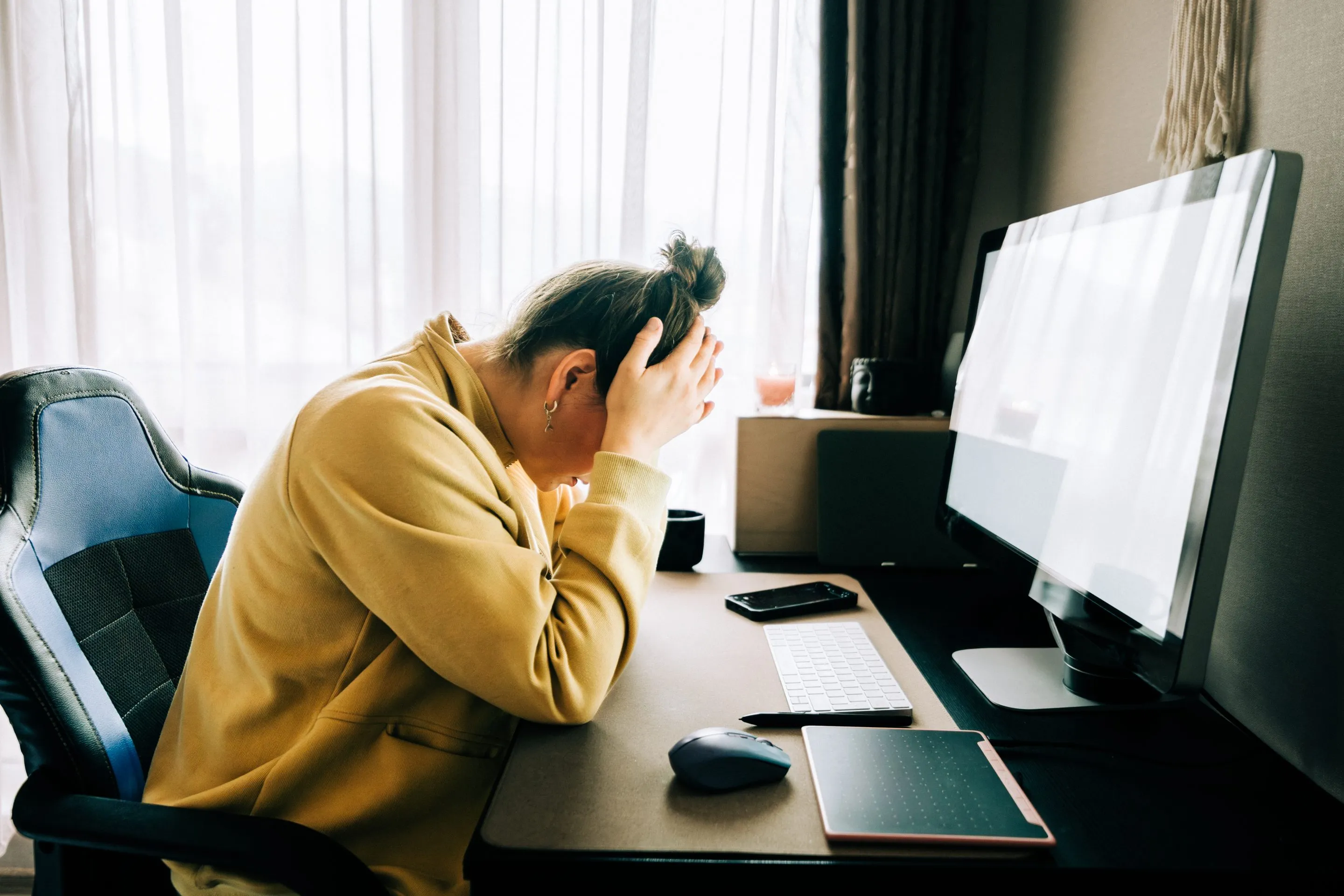
Your parents probably never used words like “mindfulness” or “somatic healing,” but they constantly pushed routines that modern science now associates with stress reduction, emotional regulation, and physical health. That’s what makes this entire conversation so funny and emo at the same time.
Modern wellness culture is more focused on fixing burnout after it happens. Indian parents, however, approached health more like mmm…. maintenance.This explains why so many desi households normalized things like:
stretching in the morning
sitting cross-legged
eating fresh home-cooked food
walking after meals
waking up early
deep breathing
spending time outdoors
maintaining a routine
None of this felt trendy growing up. In fact, most of it felt ughhhhh level of annoying. But modern research is increasingly validating many of these habits. Studies published through the National Institutes of Health have found that yogic breathing practices like pranayama may help reduce stress, improve lung function, support emotional regulation, and lower anxiety levels. Other systematic reviews have linked yoga interventions with improved sleep quality, flexibility, balance, and cardiovascular health.
Which means your parents yelling “gehri saans lo” before exams was technically low-budget nervous system regulation.
Nothing captures this cultural shift better than Surya Namaskar. For most Indian kids, Surya Namaskar was associated with:
strict PT teachers
yoga day rehearsals
sweaty school assemblies
parents forcing them to touch their toes at sunrise
Today, the exact same sequence is marketed globally as a complete functional workout combining flexibility, mobility, mindfulness, breathing control, and strength training. Fitness creators now praise it as a full-body flow, low-impact cardio, posture correction, and stress-management exercise.
Scientific reviews have also suggested that Surya Namaskar can improve flexibility, muscular endurance, balance, and overall physical conditioning! Which honestly makes every Indian parent who said “bas 12 Surya Namaskars kar lo” look suspiciously qualified.

The cultural contrast here is impossible to ignore. In many Western countries, yoga evolved into an aspirational wellness product associated with:
boutique studios
expensive memberships
influencer culture
wellness retreats
designer activewear
aesthetically curated self-care routines
Meanwhile in India, yoga often happened:
on terraces
in parks
on thin mats
in school halls
directly on the floor
But there was no Spotify playlist called “Healing Your Inner Child.” Just somebody’s uncle aggressively telling everyone to straighten their spine! (crying xd). And yet, despite how ordinary these practices felt in Indian homes, the global yoga economy is now worth billions. Multiple market research reports estimate that the international yoga and yoga-related wellness industry continues to grow rapidly, driven by rising stress levels, burnout culture, and increasing interest in holistic health. Which creates a hilarious irony; the same habits Indian teenagers once rolled their eyes at are now being sold back to the world as premium wellness solutions.
This might be the most desi thing modern fitness culture has rediscovered. Indian households normalized floor-sitting for generations. People ate while sitting cross-legged, squatted naturally, and spent far less time glued to chairs.
Now mobility experts and longevity researchers are discussing how floor-sitting may help maintain:
hip mobility
flexibility
balance
functional movement as people age
Basically, Indian parents spent years saying: “Seedha baitho.”
Modern wellness influencers translated it into: “Improve your mobility patterns for long-term joint health.” Bahahah!
Part of yoga’s modern resurgence is directly tied to how exhausted people feel today. Gen Z grew up in an era dominated by:
hustle culture
doomscrolling
chronic stress
screen fatigue
sleep deprivation
productivity obsession
That’s why slower wellness practices are making a comeback. People are increasingly turning toward:
yoga
meditation
breathwork
mindful movement
slower routines as a response to digital burnout
Ironically, many Indians grew up surrounded by these practices but didn’t value them because they felt too familiar and too “parent-coded.” Now an entire generation is realizing that maybe their mothers forcing evening walks and their fathers insisting on early mornings were not entirely operating on random middle-class superstition. Mummy Papa, yaarrrrrrrr!
That language simply didn’t exist.
Your parents didn’t say: “I’m prioritizing wellness.”
They said: “Health ka dhyan rakho.”
They didn’t say: “I’m regulating my cortisol.”
They said: “Tension mat lo.”
They didn’t say: “I’m practicing mindful movement.”
They said: “Subah uthke thoda yoga kar lo.”
And somehow, despite never branding it properly, they ended up following many of the same principles modern wellness culture now celebrates.
Of course, not every traditional habit was scientifically perfect, and Indian households have their own complicated relationship with health and mental wellness. But it is genuinely fascinating how many everyday practices dismissed as “old-school” are now being rediscovered through research, fitness culture, and wellness trends.
Maybe that’s why yoga feels bigger than fitness for so many Indians. It isn’t just exercise. It reminds people of terrace mornings, school assemblies, grandparents counting breaths during pranayama, fathers going on post-dinner walks, and mothers yelling “seedha baitho” from across the room. Toodlesss.
6 min read

5 min read

5 min read

6 min read
6 min read