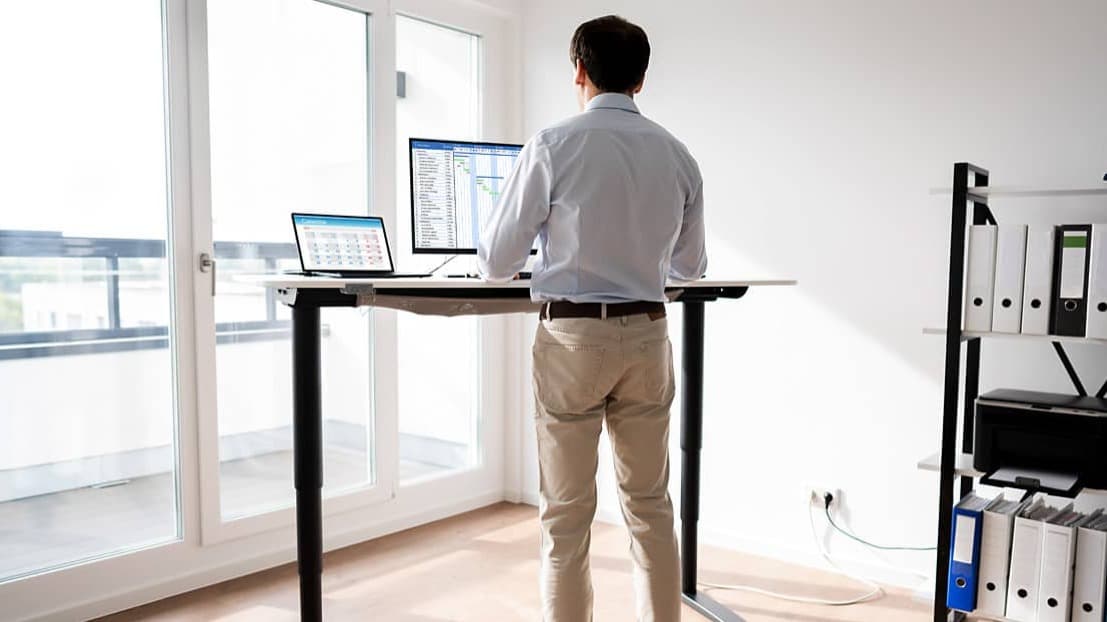
Why Standing Desks, Walking Meetings, And NEAT Are Becoming The Real Future Of Indian Office Fitness
6 min read
Authored By
JAJayant Singh
@jayant
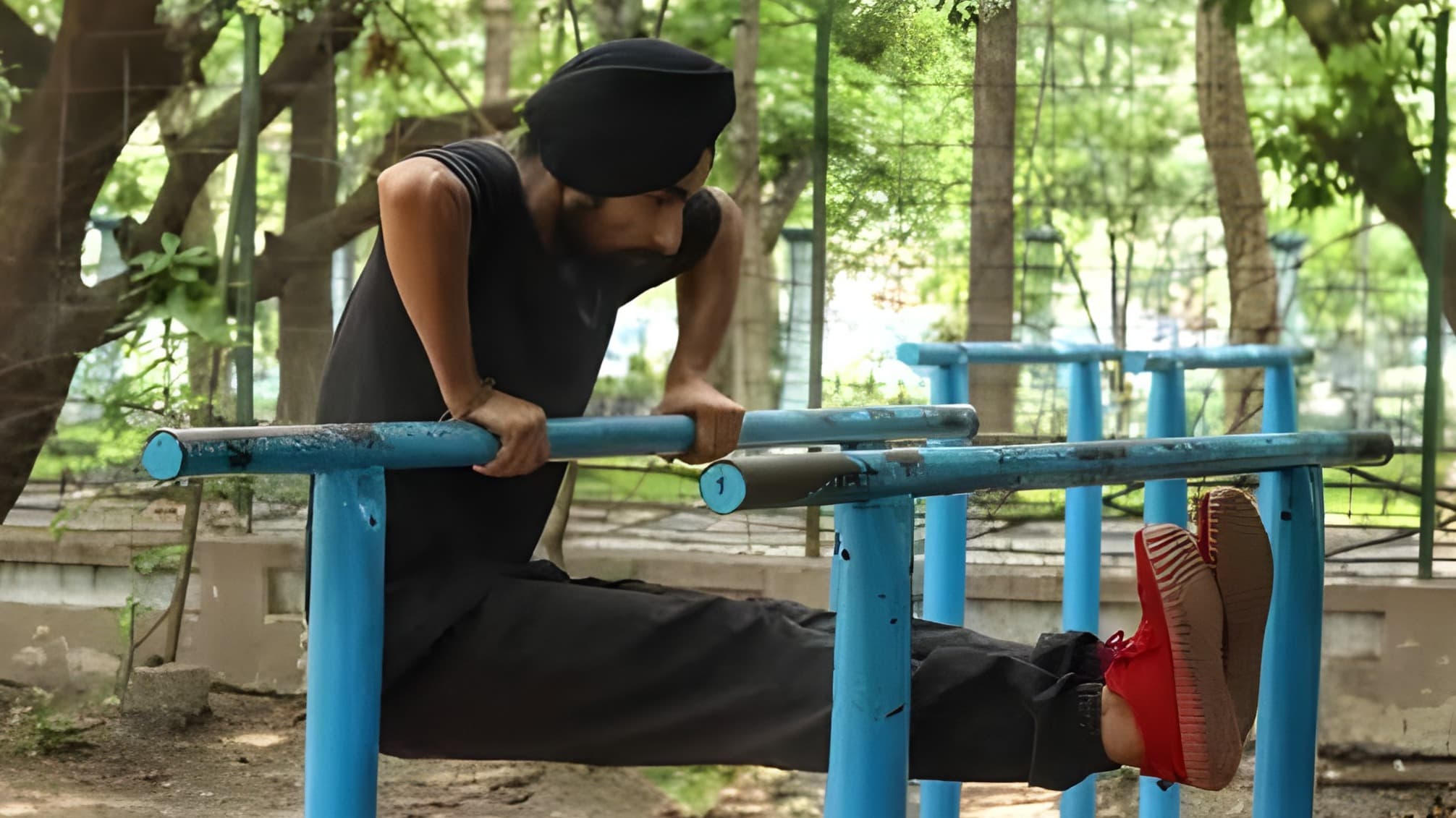
Calisthenics, a style of training built around exercises like pull-ups, dips, push-ups, squats, and static holds, is having a major moment in India right now. But unlike most fitness trends that disappear after a few viral reels, this one feels bigger.
At around 6 pm in most Indian cities, parks begin to look very different.
Kids still run around the swings, aunties still power-walk in groups, and uncles still debate politics on benches. But somewhere between all that, another scene has almost taken over. A bunch of twenty-somethings gather around pull-up bars, someone attempts a muscle-up for the fifteenth time, another person records a handstand attempt for Instagram, and somebody in the corner shouts, “Bro, lock your core!”
Calisthenics, a style of training built around exercises like pull-ups, dips, push-ups, squats, and static holds, is having a major moment in India right now. But unlike most fitness trends that disappear after a few viral reels, this one feels bigger. It feels cultural! YES!
And honestly? Parks are starting to make more sense than gyms.
The funniest thing about the rise of calisthenics is that India technically got there first.
Long before luxury gyms and whey protein became status symbols, India already had akhadas or open wrestling arenas where athletes trained using bodyweight movements.
CHAK DE VEERE!
Wrestlers did dands and baithaks, climbed ropes, swung heavy clubs, and trained outdoors for hours. Strength was built through repetition and discipline, not imported gym equipment.
Globally too, bodyweight training has ancient roots. Greek soldiers used calisthenics to prepare for battle, while several Asian physical training systems focused heavily on mobility and endurance. So while Gen Z might see calisthenics as a “new fitness trend,” it’s really more like an old-school training philosophy getting a modern couture.
India’s fitness industry is booming on paper. Reports suggest the market could double in value by 2030. New gyms open every month. Influencers promote supplements like they’re selling iPhones and fitness apps send daily notifications reminding people to “crush goals.”
And yet, India remains hahahah level of inactive.
According to multiple reports, less than 1% of Indians hold gym memberships. Studies have also shown that a huge section of the population fails to meet basic physical activity recommendations. That’s not because Indians suddenly hate fitness. It’s because the current system simply doesn’t work for most people.
Gym culture in India comes with baggage!
For starters, it’s expensive. A decent membership in urban India can cost anywhere between ₹15,000 and ₹50,000 annually, which immediately pushes fitness into “luxury” territory for many students and young professionals.
Then there’s the lifestyle issue. Indian cities are exhausting enough already. After sitting through traffic, college classes, work shifts, and overcrowded commutes, the idea of travelling another 30 minutes just to wait for a bench press machine starts sounding less motivating and more emotionally draining.
Calisthenics removes that friction almost entirely. You don’t need a gym nearby. You don’t even need equipment initially. You can train in a park, on your terrace, or literally in your room.
Before the pandemic, gyms felt essential. During the pandemic, they suddenly disappeared overnight.
And people adapted much faster than expected.
Millions of people realised something that fitness culture had somehow overcomplicated for years, and that movement does not require a machine.
That mindset never fully went away after lockdowns ended.
Even when gyms reopened, many people didn’t return consistently because they had already discovered a more flexible way to exercise. Calisthenics fit perfectly into this new reality. It offered freedom. Post-COVID India became less interested in “gym culture” and more interested in sustainable movement.
Traditional gym content online started becoming painfully repetitive after a point. But Calisthenics content felt different yaarr.
Watching somebody hold a human flag on a random pole or transition into a clean muscle-up feels less like exercise and more like watching a real-life video game character unlock a new skill. There’s movement, progression, and visible mastery involved.
And Gen Z loves visible progression.
Suddenly, fitness wasn’t just about “getting abs.” It became about unlocking abilities:
handstands,
front levers,
planches,
one-arm pull-ups.
Social media amplified this massively!!!!
Instagram reels, YouTube shorts, and street workout creators made calisthenics look raw, creative, and achievable in a way commercial gym culture often doesn’t.
You didn’t need elite access, you just needed consistency and a nearby bar.
One of the most interesting parts of this shift is how social it is.
Gyms can sometimes feel too isolating. Everyone has headphones on. Half the room is secretly comparing themselves to everyone else.
Bigg boss mujhe hurt ho raha hai.
Calisthenics communities work differently!
In parks, strangers help each other naturally. Someone teaches a beginner how to improve grip strength. Another person explains why their pull-up form is off.
People celebrate tiny wins together because most skills take months to achieve.
There’s no official trainer-student hierarchy. The culture feels collaborative. And in a country like India, where community shapes almost everything, that dynamic becomes powerful very quickly.
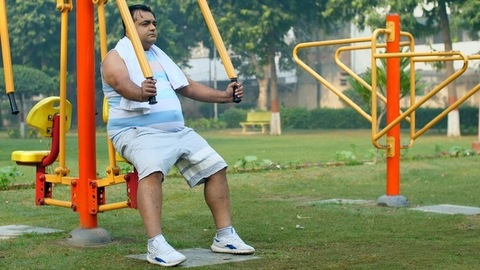
This is also why open-air fitness infrastructure has started getting policy attention. The Fit India Movement has encouraged the development of outdoor gyms and public workout spaces across several cities. Rajasthan, for example, has seen multiple open gym installations in public parks aimed at making fitness more accessible.
The message is becoming clear; fitness cannot remain locked behind memberships forever.
It would be easy to reduce calisthenics to a “cheap alternative” to gyms, but that misses the point bruh.
People are drawn to it because it feels functional and real.
Bodyweight training improves strength, balance, mobility, coordination, and endurance simultaneously. Instead of isolating one muscle at a time on machines, calisthenics trains the body to move as a complete system.
That’s also why athletes, military training programs, and gymnasts continue to rely too much on bodyweight exercises even today.
And unlike hyper-commercial fitness culture, calisthenics feels surprisingly low-pressure. OOF! Don’t even get us started on this.
You can start embarrassingly bad and still feel accepted because everyone remembers struggling through their first pull-up.
There’s something refreshing about that honesty.
Not really!
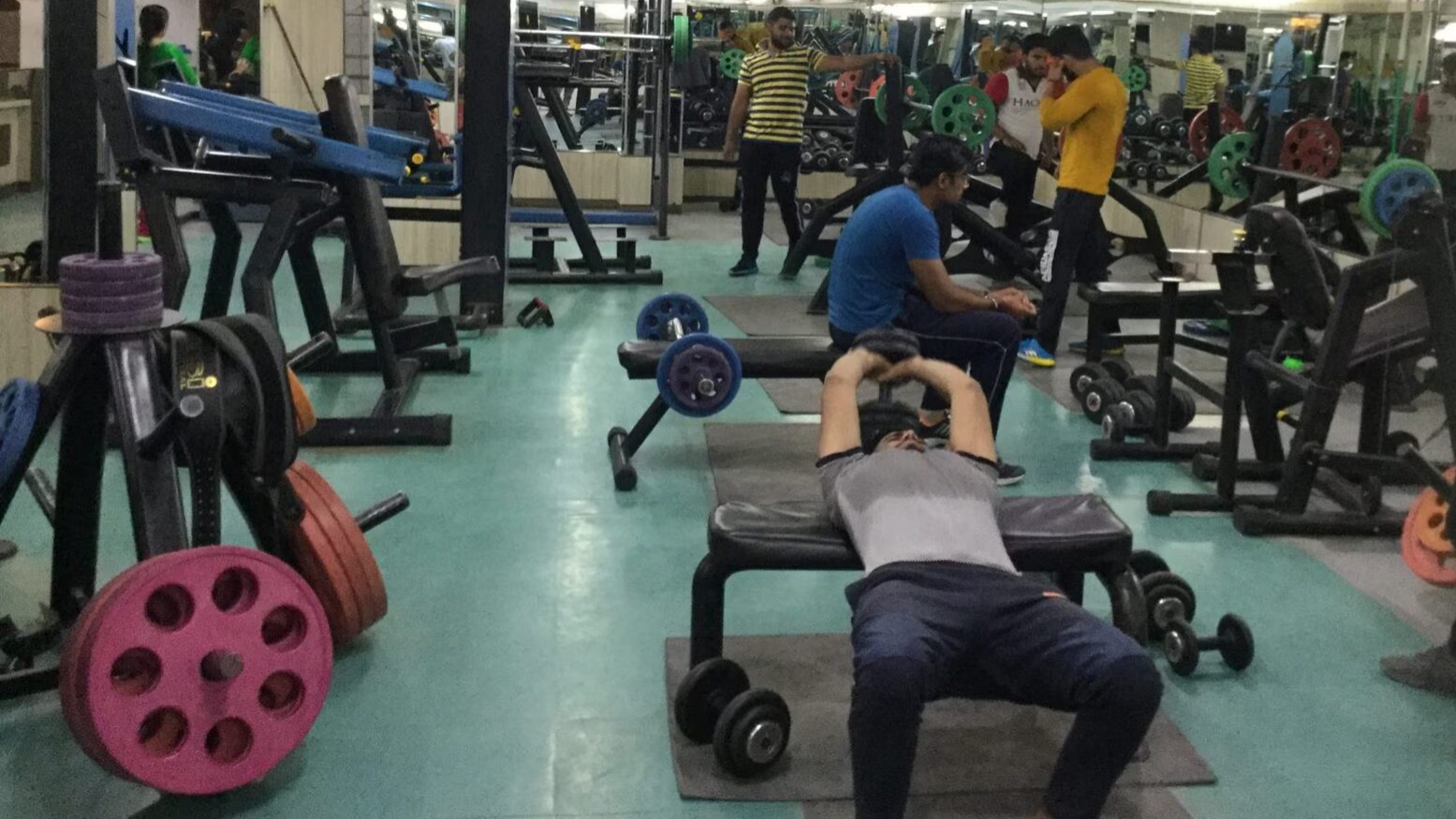
Gyms will always matter for bodybuilding, advanced strength training, rehabilitation, and professional coaching. But what’s changing is their role in people’s lives.
They are no longer the only gateway to fitness.
For a growing number of young Indians, especially Gen Z, fitness is becoming more about autonomy. People want workouts that fit into real life instead of routines that demand their entire schedule revolve around them.
That’s exactly why calisthenics is exploding right now.
So, are you in on the BOOM?
Tooodlesss.
Co-Authored By
6 min read
5 min read

5 min read

6 min read
6 min read