Train Travel Across India: A Complete Guide For People Who’ve Only Ever Flown
9 min read
Authored By
JAJayant Singh
@jayant
Go Ladakh in October, no go in August, too many people.
For years, Indian travel culture has convinced everybody that August is the ultimate month to visit Leh-Ladakh. Every Instagram reel, every biking vlog, and every “bro trip” itinerary makes it seem like peak summer is the only correct way to experience the mountains. The roads are open, the camps are running, and social media practically turns Ladakh into the national headquarters of Royal Enfield owners. Bahahha!
But here is the thing nobody says loudly enough; the Ladakh people dream about in their heads actually feels much closer to October than August. Because once the crowds leave, the mountains finally start breathing again.
The difference becomes obvious the moment you enter Leh town. In August, Leh market stays crowded from morning till night. Cafés are packed with tourists discussing bike routes and oxygen levels while waiting forty minutes for coffee. Rental shops are overflowing, traffic moves (urgghhh frustrating levels of) slowly, and famous spots like Shanti Stupa feel more maddening than calming. By October, Leh starts slowing down beautifully! You can sit with hot momos and butter tea near the market without hearing bike engines screaming through the streets every five minutes. That calmer atmosphere honestly suits Ladakh much better.
Most people imagine Ladakh as barren brown mountains and bright blue lakes. What they do not realise is that autumn quietly transforms the entire landscape. The poplar and willow trees around the Indus Valley begin turning golden during October, especially near villages like Shey, Sakti, Diskit, and Hunder. Against Ladakh’s dramatic mountains and deep blue skies, those golden trees make the entire region look unreal.
August gives you beautiful scenery, but wait bhai log, October gives you scenery that genuinely looks edited. The colours feel richer, the sunlight feels softer, and every road suddenly starts looking like the opening shot of a coming-of-age film.
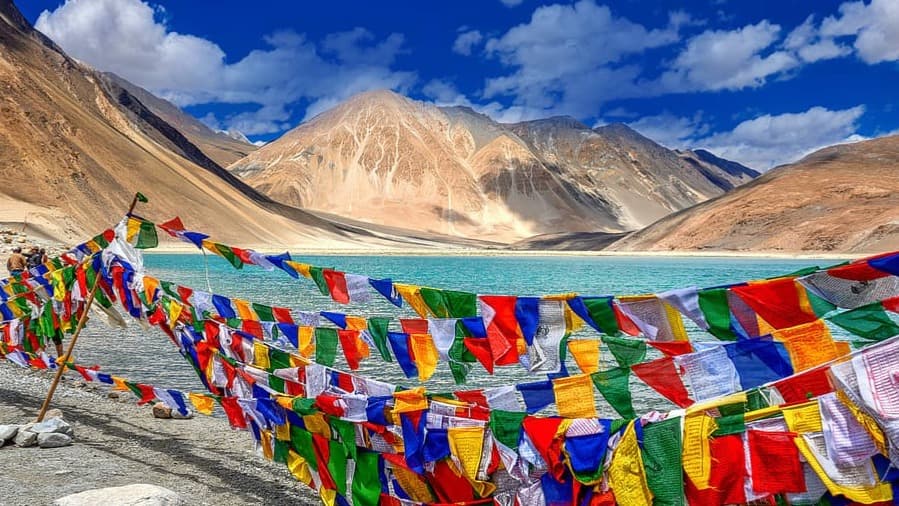
Pangong Tso in August is iconic, but it is also chaotic. Tourists are everywhere, camps are overcrowded, loud music travels across the lake, and half the crowd is still recreating scenes from 3 Idiots like the film released yesterday. The beauty is still there, obviously, but the peace… aaah not so much!
October completely changes the energy of Pangong. The lake becomes darker blue, the reflections look sharper, and the freezing winds make the landscape feel more dramatic. Sunrise becomes quieter, sunsets feel calmer, and the entire place suddenly carries a kind of stillness that is impossible to experience during peak tourist season. Instead of feeling like a famous destination, Pangong finally starts feeling like a remote Himalayan lake again.
Nubra Valley during summer is filled with ATV rides, crowded camel safari spots, and camps playing Bollywood playlists late into the night. October slows the valley down in the best possible way.
Villages like Turtuk, Hunder, and Panamik start feeling more authentic and less commercial. You begin noticing details that usually get ignored during peak season chaos, like apricot orchards, monastery bells echoing through cold air, and glacier-fed rivers flowing quietly through empty valleys. Even the famous sand dunes of Hunder feel surreal when there are fewer tourists around. Instead of trying to entertain you constantly, Nubra simply exists around you quietly, and somehow that feels far more memorable.
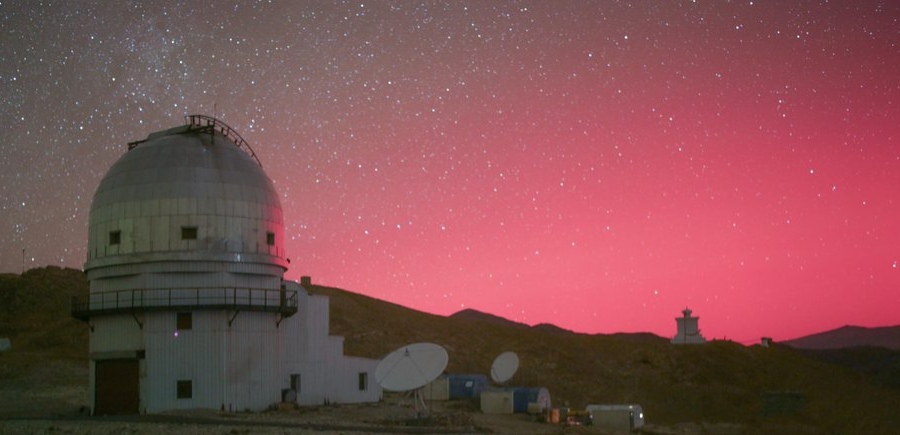
If there is one place that proves October is special, it is Hanle. Hanle already feels remote during summer, but in autumn it becomes almost unreal. The post-monsoon atmosphere removes haze from the air, which means the skies become unbelievably clear.
At night, the stars look so sharp that the sky almost feels fake. There is barely any light pollution, almost no sound, and absolutely nothing around except mountains, silence, and cold desert air. It is the kind of place that forces your brain to slow down because there are finally no notifications, no noise, and no distractions fighting for your attention.
Photographers have cleverly preferred Ladakh in October for years, and honestly, it makes complete sense. August skies can sometimes look hazy because of monsoon spillover around Himachal routes. October skies, on the other hand, look ridiculously crisp. Mountain outlines become sharper, sunsets look richer, and landscapes feel more dramatic.
Places like:
Tso Moriri
More Plains
Lamayuru
Pangong
Hanle
suddenly start looking like desktop wallpapers in real life. Even random roadside stops become photo-worthy because the atmosphere itself feels cleaner.
One thing travel influencers rarely talk about properly is how unpredictable August travel can become. Ladakh itself does not receive heavy rainfall, but the roads leading to it often do. Routes like the Manali-Leh Highway and Srinagar-Leh Highway can face landslides, slush, water crossings, and long traffic delays during peak monsoon season.
This is one reason many experienced travelers quietly prefer late September and early October. The roads become drier, cleaner, and more stable. Long drives feel less exhausting and far more enjoyable when you are not stuck behind endless traffic near mountain crossings. Because nobody dreams about spending six hours trapped in muddy highway jams during a Himalayan trip.
Now obviously, October is not perfect. The cold becomes serious, especially around Pangong, Hanle, Nubra, and Tso Moriri. Temperatures can easily fall below freezing at night, which means proper thermals, jackets, gloves, and layering become essential. This is not “cute sweater weather.” This is “your lip balm becomes your survival partner” weather.
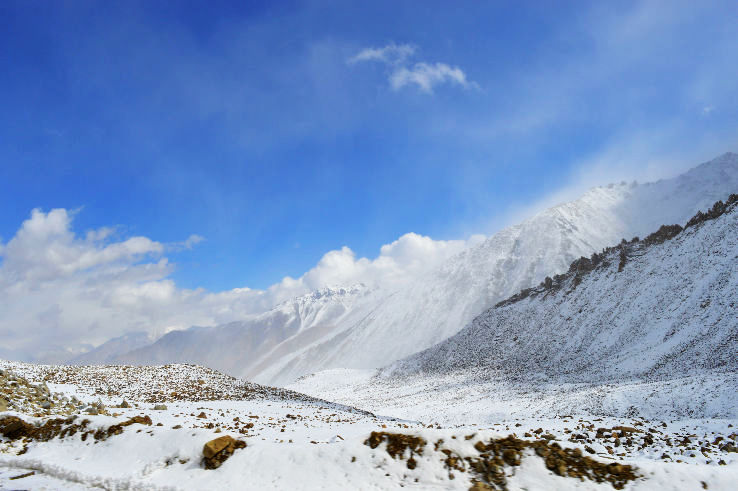
Some camps and cafés also begin shutting down after peak tourist season ends. Late October can even bring snowfall around passes like Khardung La and Chang La, so flexibility becomes important while planning the trip. But honestly, that unpredictability is part of what makes October feel more adventurous and real.
If you want bike convoys, crowded cafés, warm weather, and full tourist energy, August works perfectly. But if you want silence, dramatic landscapes, empty roads, sharper skies, stargazing, and a version of Ladakh that feels deeply personal, October wins very easily. Toodlessss.
9 min read
7 min read

6 min read
5 min read