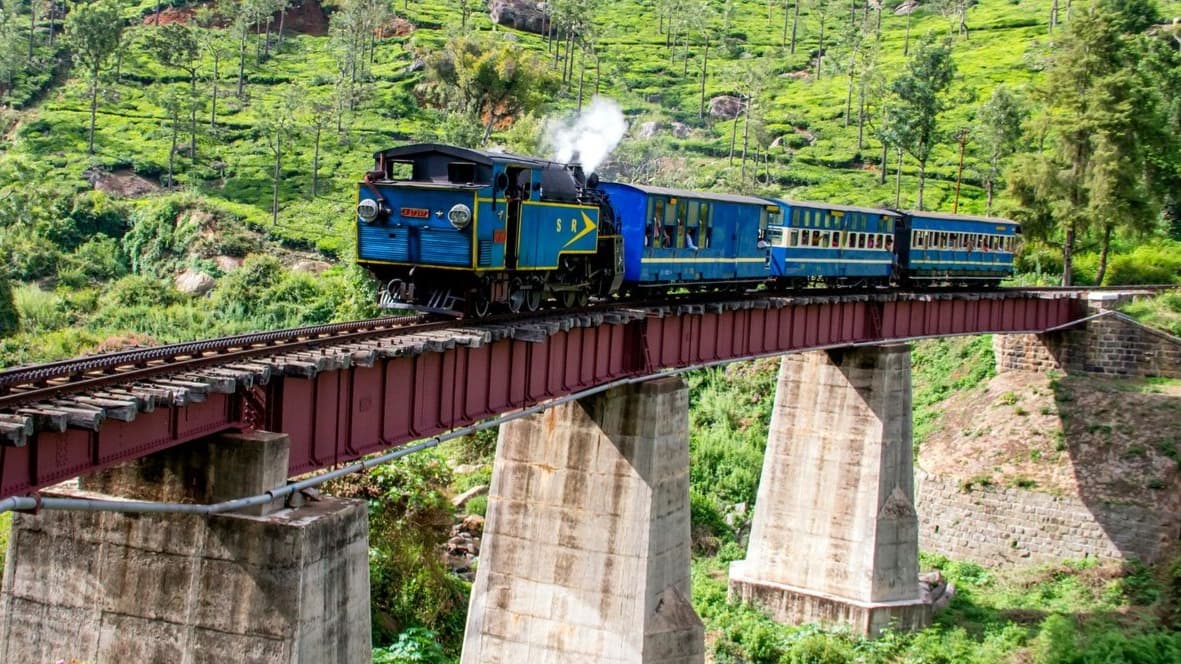
Train Travel Across India: A Complete Guide For People Who’ve Only Ever Flown
9 min read
Authored By
JAJayant Singh
@jayant
Northeast India very beautiful. But tourists, why no go?
Everybody in India talks about the same road trips.
Ladakh, Spiti, Manali or wait wait, maybe Goa if somebody is feeling adventurous.
Meanwhile, Northeast India is gloriously sitting there with cloud-covered highways, villages hidden inside valleys, crystal-clear rivers, roads cutting through forests, snow-covered mountain passes, floating islands, living root bridges, and cafés where random indie bands casually perform on weekends like it is the most normal thing ever! Kya flex hai yaaar!
And somehow, this entire region still feels underrated. Which is honestly insane.
Because a Northeast road trip is not just “beautiful.” It feels like travelling through multiple countries at once. Every few hours, the landscape changes completely.
One minute you are driving beside tea gardens in Assam, then suddenly you are inside the misty hills of Meghalaya. Nobody here asks ye bhed bhav kyun? Everyone is fond of this contrast!
Most mainstream Indian tourist destinations today feel overexposed. You already know what every café looks like before reaching there because Instagram has shown you the same reel 400 times.
The Northeast still feels personal!
You still discover places accidentally here. You still stop your car because a random mountain viewpoint appears out of nowhere. You still find cafés that are not designed entirely for “content creation.” And honestly, that unpredictability changes the entire feeling of travelling.
Even the roads themselves feel alive. The Shillong to Cherrapunji drive feels dreamy and cinematic. The Tezpur to Tawang route feels intense and dramatic.
Some stretches are smooth and relaxing, while others genuinely test your patience. But that is the point!
If you are planning your first proper Northeast road trip, there is one route that genuinely gives the best overall experience:
Guwahati → Shillong → Cherrapunji → Dawki → Kaziranga → Majuli → Dirang → Tawang → Kohima
This route gives you almost everything that makes the Northeast special.
You get waterfalls in Meghalaya, wildlife in Assam, monasteries in Arunachal Pradesh, mountain valleys in Nagaland, and some of the most beautiful roads in India connecting all of them together.
And the best part is that the journey never becomes visually boring!
You can drive for ten hours in the Northeast and still keep staring outside the window like a child.
Most travellers treat Guwahati like a transit city before “the real trip” starts.
That is a mistake. Guwahati is full of Ranveer Singh typa energy, but it also introduces you to the Northeast in the best possible way. The Brahmaputra River alone changes the atmosphere of the city completely. It feels less like a river and more like an entire moving landscape.
The local food scene here deserves far more national attention than it gets. Assamese cuisine is subtle compared to heavy North Indian restaurant food, but that is exactly why it stands out. Smoked meat dishes, bamboo shoot curries, herbs, fermented ingredients, and sticky rice preparations create flavours that feel completely different from what most Indians are used to eating.
And once you start eating properly across the Northeast, you realise how badly mainstream Indian food conversations ignore this region.
The drive from Guwahati to Shillong is where the road trip starts feeling magical!
The plains slowly disappear behind you. Pine trees begin appearing beside roads, the weather becomes colder and tiny tea stalls show up around bends.
Shillong does not feel like a typical Indian hill station, it feels mmm…artistic.
The city has a huge music culture! Rock music is everywhere. And then there is the weather. Shillong rain has a different personality altogether. It somehow makes the city feel even better.
Laitlum Canyon especially feels surreal during cloudy weather. The cliffs disappear into mist, and the entire landscape starts looking like something from a fantasy film. Even ordinary drives around Upper Shillong feel cinematic because clouds move across roads every few minutes.
No exaggeration bhailog…
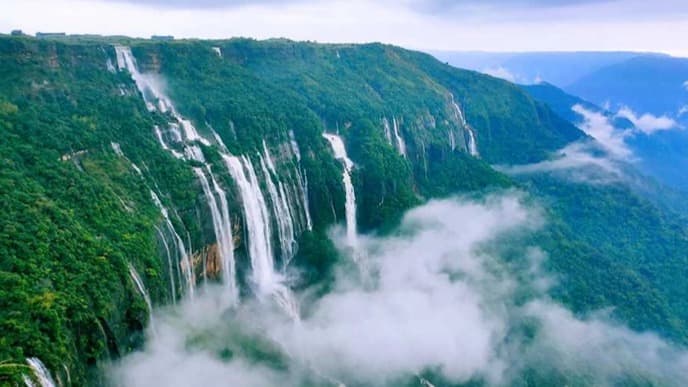
The Shillong-Cherrapunji–“-Dawki route is one of the most visually insane drives in India.
You see giant waterfalls appearing beside roads without warning, while entire villages sit quietly above cliffs while clouds move underneath them.
Then comes Dawki!
And honestly, Dawki looks so unreal during winter that many people think the internet photos are edited. They are not.
The Umngot River becomes unbelievably transparent, which makes boats appear like they are floating in air. The water reflects sunlight in a way that genuinely feels dreamlike in person.
Then there is Nongriat and the Double Decker Living Root Bridge.
Imagine walking through forests and suddenly finding giant bridges naturally formed from living tree roots over generations. The trek itself becomes part of the experience because Meghalaya forests feel ancient and deeply untouched in certain areas.
Mawlynnong village also deserves attention beyond the “cleanest village” tag. The entire place feels peaceful and community-driven in a way urban India rarely experiences anymore.
A lot of travellers rush through Assam while trying to “reach” Meghalaya or Arunachal Pradesh. That is honestly sad because Assam has some of the most calming landscapes in the region.
Kaziranga National Park especially feels unforgettable during early mornings. Thick fog covers the grasslands while rhinos casually walk through wetlands. Elephants appear in the distance. Migratory birds fly over swampy fields. And because the ecosystem still feels wild, the safaris feel far less commercialised than many famous wildlife parks.
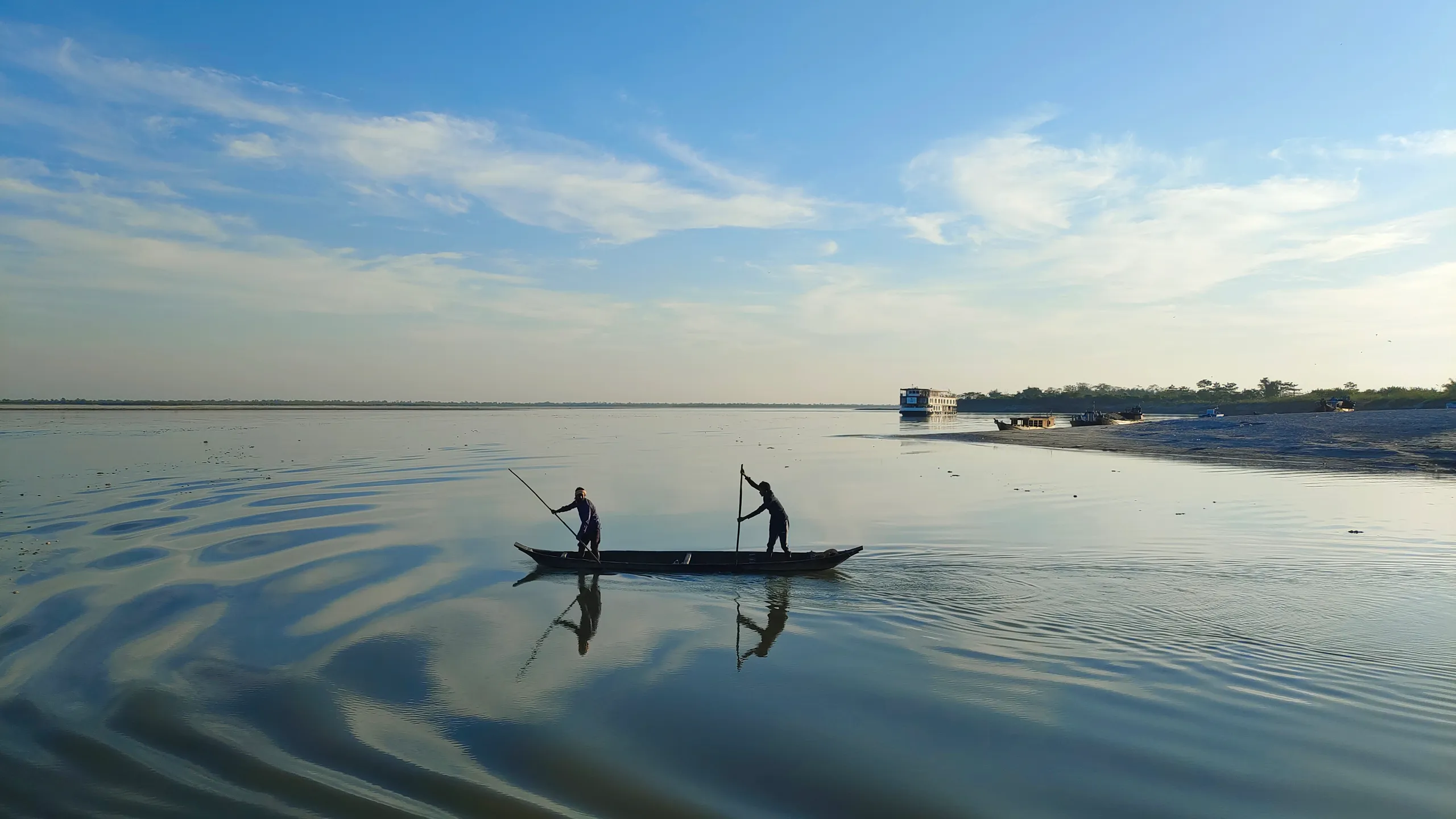
Then comes Majuli! And Majuli changes the pace of the entire trip.
This river island does not demand anything from you. There is no pressure to “cover attractions.” Life simply moves slowly here. Bamboo houses stand beside narrow roads. Monasteries called Satras preserve Assamese cultural traditions. Local artisans continue centuries-old mask-making practices.
You stop checking your phone constantly in Majuli. And honestly, this might be the biggest luxury modern travel can offer.
Like bruh, you legit made me look up from my phone when an AI tiger was rocking his ass on “Jaiye Sajna” by Jasmine Sandlas????
The moment you enter Arunachal Pradesh, the scale of the landscape changes completely.
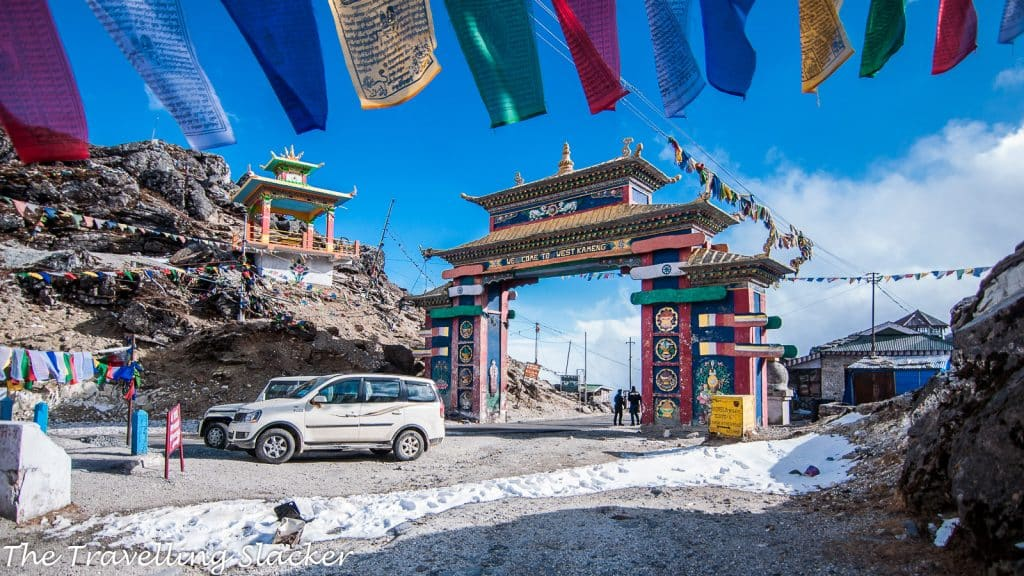
The Tezpur to Tawang route is one of the greatest road trips in India because it constantly shifts between beauty and intensity. One hour you are driving through peaceful valleys around Dirang. The next hour you are crossing freezing mountain roads near Sela Pass while snow surrounds everything.
Dirang itself deserves more attention than it gets. Most people rush toward Tawang without spending enough time here, which is a huge mistake. Dirang has river-facing homestays, apple orchards, quiet cafés, monasteries, and a softness that makes you want to stay longer than planned.
Then comes Sela Pass! OOF…
And honestly, photographs do not fully capture how cinematic this place feels in real life.
Frozen lakes sit beside roads, snow stretches endlessly across mountains, prayer flags move violently in icy winds, while Army convoys slowly cross difficult terrain while clouds move below the peaks.
It feels less like a tourist destination and more like entering another world.
Nagaland is probably one of the most misunderstood states in India.
Most people barely know anything about it beyond the Hornbill Festival, which is unfortunate because the state has one of the strongest independent music cultures in the country.
Kohima feels youthful, creative, and extensively rooted in local identity at the same time. Cafés play alternative music. Fashion feels expressive. Local food has bold smoked flavours. Conversations feel warm and personal.
Then there is Dzukou Valley!
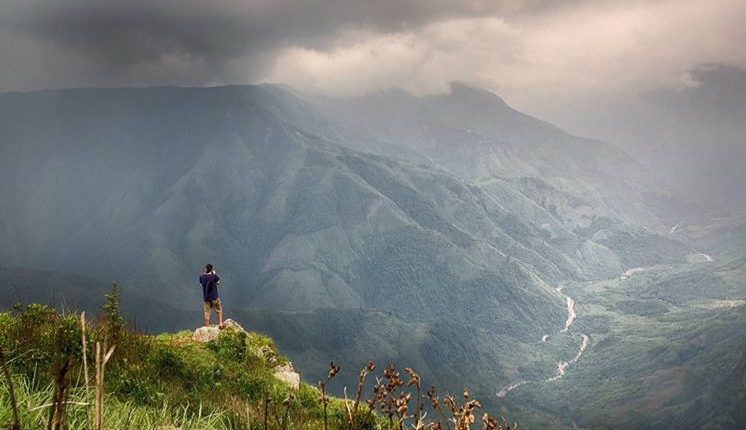
And honestly, Dzukou does not even look real during peak green season. Rolling hills stretch endlessly across the landscape like giant green waves frozen in motion.
The Hornbill Festival also deserves its reputation because it brings together tribal performances, food traditions, local crafts, music, dance, and cultural storytelling from across Nagaland in one massive celebration.
But even outside the festival season, Nagaland feels fascinating because the state balances modern youth culture with strong indigenous traditions in a very natural way.
Toodlessss…
9 min read

6 min read
5 min read
5 min read