



Most peeps feel like their cell phone recharge vanishes very quickly; this is not entirely a figment of their imagination. Telecom companies have created a 28-day billing cycle for more than ten years, and yeah, it feels like a small change, but those 2 days are very important!
Jeene ke hain chaar din, and unme se bhi 2 days are cut out of the so called monthly plans, so what kind of girl/boy/government math is this?
But wait, things are about to change and how!
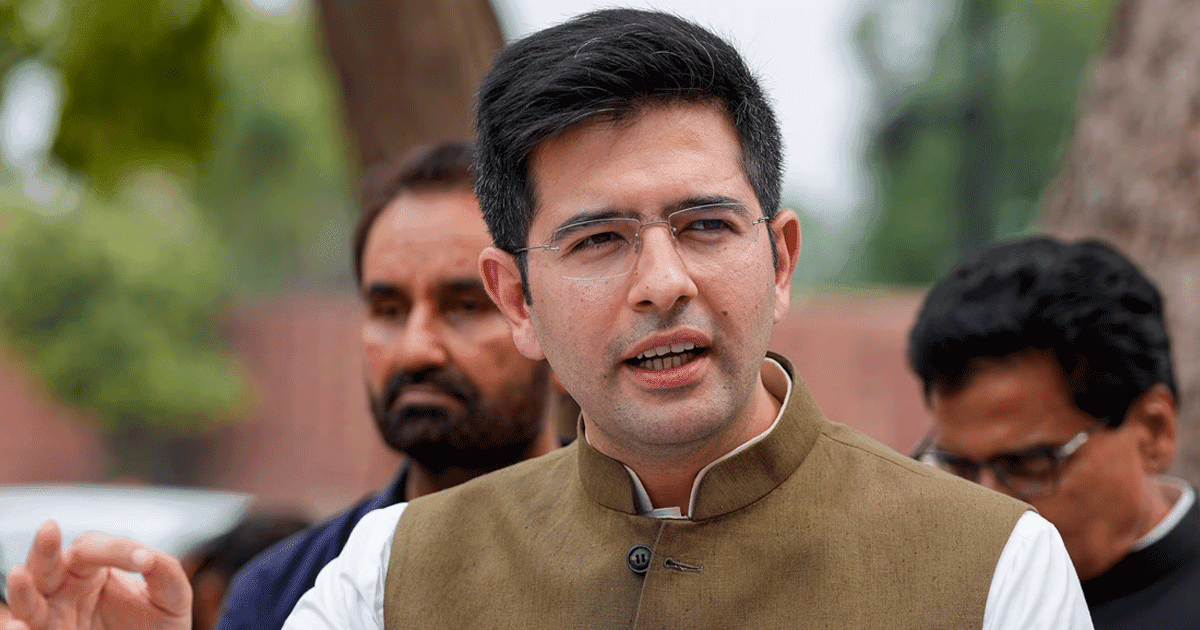
‘This Is Loot’: Raghav Chadha Calls Out the Recharge ‘Scam’
Here is a simple way to understand the 28-day billing cycle, 28 recharges multiplied by 13 times equates to 364 days.
So, if each customer uses only 12 due to the way a person pays for their service, that also creates a true relationship of price to number of recharges each year (with the exception of the one odd month). Furthermore, service providers (telcos) benefit from this arrangement and HOW, while providing no additional value to their customers, thus creating unnecessary costs.
Most people think they are on a “month-to-month” plan, but they are not according to the 28-day billing; therefore, while the price and benefits will remain the same, the amount of time you actually receive the value will differ. Therefore, cumulative over time, these differences will create a huge added cost for you.
YAY!
During a recently held Rajya Sabha session, MP Raghav Chadha highlighted the major issues regarding current telecom pricing strategies. He did so without mincing words, and we couldn’t help but STAN the man!
Raghav Chadha believes that telecom providers should charge for their recharges based on the actual calendar month, rather than using the “mathematical tricks” they currently use. He believes that the industry should be far more transparent in its pricing to the consumer.
Government Push for 30-Day Recharge Plans
And now, in a similar vein, the Government has made an urgent request that telecom providers create 30-day subscription plans for their subscribers, and that TRAI and the Ministry of Telecommunications also promote these plans.
In simple terms, the intention of the Government’s request is to have telecom providers create recharge cycles based on the actual calendar month so that the consumer pays for a full 12 months of service, rather than 13 months.
Here is what the Official Notification from the Government requested:
- Increased promotion of 30-day plans
- Clarity on the pricing for consumers
- Inclusion of all 30-day plans with each plan category
- Elimination of confusion related to billing cycles.
While the Government has clearly defined its position on this issue, there are no binding regulations preventing telecom operators from continuing to sell 28-day recharge plans.
Oh oh!
There are no regulations governing the price of recharge plans; and the telecom providers retain the right to establish and price their products.
So while there has been some movement in the direction of creating 30-day plans, the order from the Government does not require companies to overhaul their business models overnight.
28-Day vs 30-Day Plans: What Changes, Bruh?
A 28-Day Plan:
- Requires 13 different recharges annually
- Higher year cost
- Doesn’t correspond with the calendar months.
A 30-Day Plan:
- Only requires 12 different recharges annually
- Lower overall long-term cost
- Matched to the way our brains think about an expense each month
While the difference may appear almost like “eh..what does it matter” on paper, when you look at the differences over the course of a year, you will see a huge difference financially for anybody who monitors their budget (So not you or me heehee).
But for budget-minded individuals, that 1 recharge can add up to considerable expense.
Now here are the other side of that coin:
- Even if companies do provide 30-day plans, they could still aggressively market 28-day plans through marketing methods (placing those products on their apps; bundling with other products, etc.)
- This may create some technical opportunities for selecting better options but finding those options may still be several difficult.
How Reliance Jio, Bharti Airtel, and Vodafone Idea may continue prioritizing 28-day plans despite 30-day options
The above companies have been the predominant corporate performance players in the prepaid market within India and as experts in their pricing methodologies, they have built upon the 28-day recharge cycles.
If those companies convert their majority of the prepaid market to 30-day recharges, it could significantly compromise their revenue consistency and pricing models. The most likely solution would be that these companies provide:
– 30-day recharges with a limited selection of options
– 28-day recharge would remain as the base or default offer
– Increased incentives and benefits for providing the 28-day recharge.
Why This Is a Consumer Rights Issue: Hear From Raghav Chadha
In conclusion, a compliance shift can take place, while a transformational shift would require time. Not only did Raghav Chadha address the costs of telecom services, but he discussed a larger issue; what happens when a person’s service plan expires?
At the moment, when an individual’s service plan has expired often telephone service providers will block both outgoing and incoming calls, including critical SMS messages from the bank with an One-Time Password (OTP). This activity is characterized by Mr. Raghav Chadha as “arbitrary and dangerous”.
In a country that is heavily dependent on mobile numbers to access services such as banking and emergency services, the blocking of incoming communications poses a serious danger.
Some examples of the possible negative consequences you may be exposed to include:
- Not receiving your bank’s OTP
- Not receiving an emergency phone call
- Failure to receive alerts concerning services you have subscribed to
While blocking outgoing calls may be reasonable, Raghav Chadha argues that blocking incoming communications is cross the line. He framed it as a direct violation of consumer rights and a safety issue for consumers.
There is a larger context to the current discussion surrounding telecommunication services other than monthly renewal payments. The way in which the monthly renewal payment plans were designed has impacted millions of consumers and their everyday lives through many small design choices not being evident to the average consumer.
The action of the Indian Government has been recognized as a movement toward:
- Clearer billing practices
- Requiring industry providers to have more user-friendly plan structures
- Hold providers accountable for the integrity of their services
Although, how effective the positive outcomes of this governmental change can be achieved is contingent on proper implementation.
As of now, however, there is one key point that should be your takeaway from this article. If you don’t check your recharge validity carefully, you might still end up paying for that invisible 13th month.