



Instagram offers two types of celebrity stories…
There are stars who post photos from the gym or their latest travels, while others use Instagram as a means of offering gyaan in the form of reposted content that sends you into a whirlpool of confusion.
And now we can add R. Madhavan to that second group.
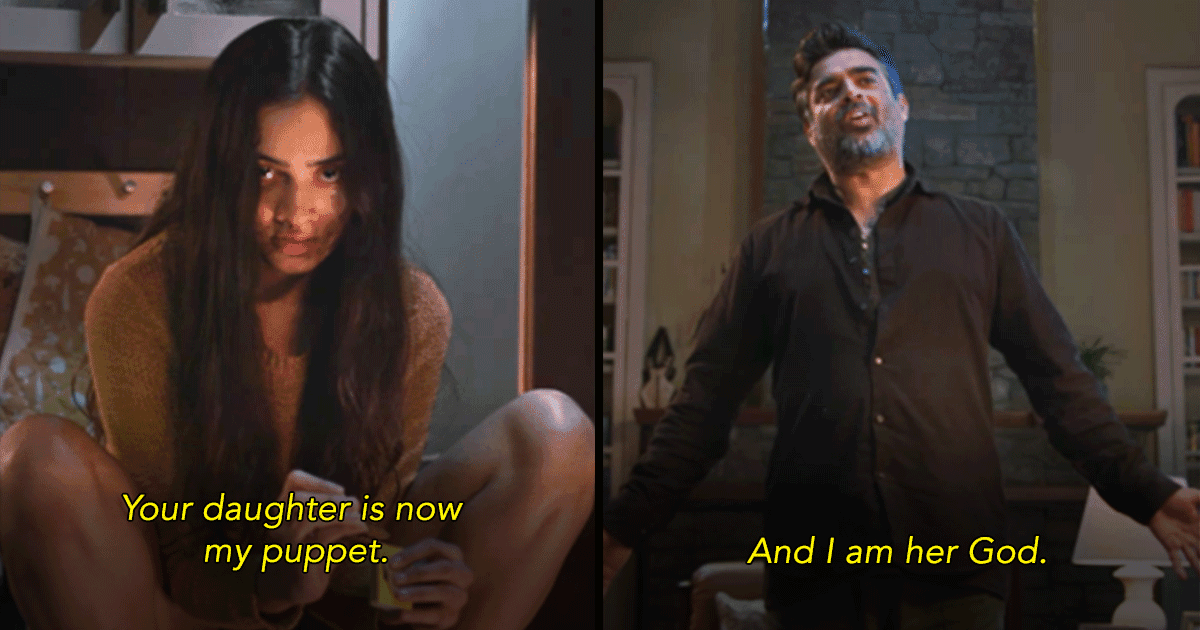
Just days after the release of Dhurandhar: The Revenge, where his role as IB Director, Ajay Sanyal, has received overwhelming and admirable acclaim from fans on social media, R. Madhavan posted a story on Instagram that literally stopped the internet in its tracks. Rather than sharing an upcoming movie release or giving a cryptic clue as to what’s to come, he reposted a video discussing how our environment creates who we are, the habits and behaviours we develop, our success and overall quality of life.
And honestly? That’s a powerful message to hear on just any ordinary Wednesday.
R. Madhavan Shares 4 Toxic Habits In His IG Story
The video goes on to outline four common habits found in many homes that can unknowingly destroy our peace of mind and ability to grow, and gives 4 “toxic home habits” to avoid and sheds light on why one might feel personally attacked by this information.
1. Fighting and arguing all the time
The first toxic habit to be addressed was homes full of conflict.
That type of environment where you are at each other’s throat over nothing in particular, people make sly little remarks as they walk through the house, someone slams their drawer as if they are a contestant on a talent show, and every conversation you have eventually turns into an argument.
R Madhavan’s post states there is no chance to grow when you have constant conflict inside your home. Differences among individuals are typical, but constantly being in tension creates emotional fatigue. Instead of functioning as a safe environment, a home becomes a war zone.
Honestly, nothing consumes energy more than unnecessary, unstructured daily lafda.
The key message was not about disagreeing with someone, but that staying calm, respectful, and associated with our emotions creates strong homes, when we learn how to settle differences with others without making every little problem a season finale.
In other words, not every challenge requires a dramatic music score and a kaleshi attitude to accompany it.
2. Complaining
The next habit we learned is complaining; this was another harsh example, because face it, we all can relate to that habit.
According to the speaker’s video, the continual emphasis on what is absent or gone provides the mindset of deficiency. The more the background sounds of each day’s events sound bad, trivial, challenging, or irritating, trains your brain over time to see nothing but the problems in your world.
And let’s be straightforward, it’s very easy to do that!
Traffic was terrible? Complain. Weather stinks? Complain. Wi-Fi is slow for three seconds? Complain. Email is slightly off? Ugh, entire day ruined!
The speaker suggested replacing the habit of complaining with the practice of gratitude. Not the kind of phony, negative, happy gratitude, but an exercise in noticing what is good in your life. Practicing gratitude can change your viewpoint, open the opportunity to grow, and build an emotional space to breathe.
When you continue to complain about something, you will continue to delve deeper into yourself as a negative person and make bad experiences feel like death. If your family group chat is full of complaining (97% of it), we might need to intervene.
3. Laziness
Next comes laziness.
When we think of laziness, we do not think of taking care of ourselves and getting rest because we are tired. We think of those people who want a better life but refuse to put in the work it takes to create it. That gap between their dreams and their ability to be disciplined? That’s where dreams go to die.
Discipline and consistency are required if you want to build a stable and prosperous life; this applies just as much to your home environment. If you had to create an atmosphere that encourages effort, routine, responsibility and follow-through, you would create an environment where productivity naturally occurs.
This does not mean to work like a dog for 24 hours a day in some parking lot while a motivational speaker films you. It’s about developing small habits which lead to success. Doing what needs to be done, keeping your promises to yourself, showing up consistently, in spite of the fact that you cannot seem to find any motivation on Mondays!
The home environment more than anything else impacts people whether they realize it or not. When there are people in your home who are procrastinating, avoiding work, and say “I’ll do it tomorrow,” you create an aura of laziness.
Breaking an aura is not easy.
4. Clitter
The last habit discussed was clutter, which is probably the most visible habit.
According to the video, having a disorganized space can have an impact on your ability to think clearly, have energy or focus. When your space looks like three unfinished lives crashed into one another, your mind usually feels the same way.
That chair that was draped with laundry? That table covered with all sorts of miscellaneous bills, chargers, receipts, and a pen that is out of ink? That drawer of miscellaneous items no one can identify? All of these things add up to create low-grade mental stress in your mind.
According to the speaker, an organized and clean home instills a sense of calmness and enhances focus, simply because as you care for your environment, it also takes care of you.
Beautiful gyaan!
And yet so rude to be reminded of as you stare at a pile of laundry.
As for R Madhavan’s Next Steps
Bhai ka aura is uncontrollable at the moment. So much so that it is spilling into the Tamil universe as well!
R Madhavan is starring in the Tamalian crime-thriller series Legacy, alongside Nimisha Sajayan and Gulshan Devaiah. It will focus on power, conflict and family dynamics and will be directed by Charukesh Sekar, with a scheduled premiere date to be announced soon.
In short, R Madhavan is trying to balance being in a thriller on screen while managing the surprise therapy sessions at home.
So…Where Do We Land On Those 4 Toxic Traits?
Are these four guidelines any sort of revolutionary discoveries? Nope. Were these four guidelines painfully true? Hell yes.
Because we fail to recognize how profoundly our home’s physical environment affects our emotions, mindset, productivity and relationships. The energy of a home is essential. What gets repeated in a home matters. What gets accepted in a home matters.
So if you found this post to be a little offensive, you’re not alone!
Now please excuse us while we stop complaining, put away laundry, apologize to someone and begin today, which will be tomorrow.
Toodlessss.